Weight Loss With Breast Cancer in South Africa: Diet, Exercise and Managing Treatment-Related Weight Gain
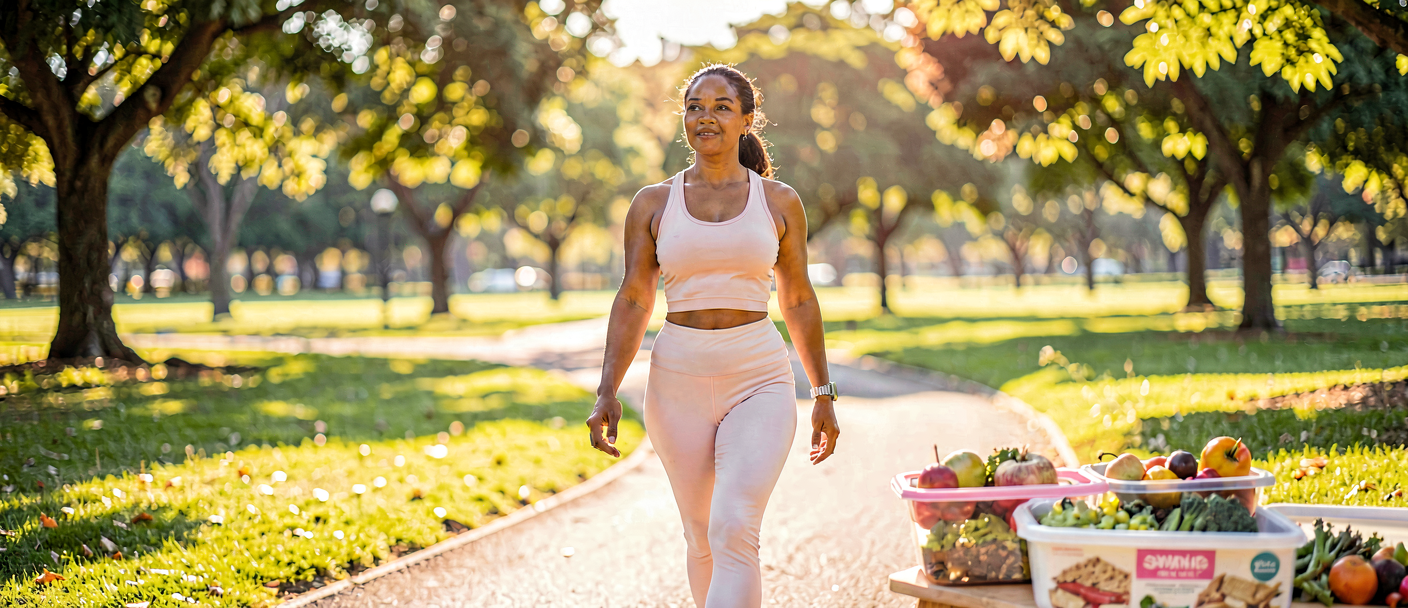
Breast cancer is the most common cancer affecting South African women. Being diagnosed, navigating treatment and trying to manage your weight all at once can feel overwhelming. Many women are surprised to find they gain rather than lose weight during chemotherapy — the opposite of what they expected. This guide is for South African women who want to understand why that happens, what they can safely do during treatment, how to tackle the excess weight after treatment, and where to find support from local organisations like CANSA and the Breast Cancer Foundation SA.
Breast Cancer and Weight: The Two-Way Connection
The relationship between body weight and breast cancer runs in both directions:
Obesity as a Risk Factor
Excess body fat — particularly postmenopausal obesity — is a well-established risk factor for breast cancer. Adipose tissue contains aromatase, which converts androgens to oestrogen. In postmenopausal women (who no longer produce oestrogen from the ovaries), fat tissue becomes the primary source of circulating oestrogen. Higher oestrogen drives growth of oestrogen-receptor-positive (ER+) breast cancers, which represent about 75% of breast cancer diagnoses.
Research from the World Cancer Research Fund estimates that maintaining a healthy weight could prevent up to 17% of postmenopausal breast cancer cases globally. In South Africa, where overweight and obesity rates are among the highest in sub-Saharan Africa, this is a significant preventable fraction.
Treatment-Related Weight Gain
Counterintuitively, breast cancer treatment — particularly chemotherapy — frequently causes weight gain rather than loss. Average weight gain during adjuvant breast cancer chemotherapy is 2-6 kg, and some women gain significantly more. The mechanisms include:
- Corticosteroids (dexamethasone, prednisone): given as anti-emetics (to prevent nausea), these powerfully stimulate appetite and cause fluid retention and central fat redistribution
- Chemotherapy-induced fatigue: reduces physical activity significantly
- Treatment-induced menopause: chemotherapy in premenopausal women often causes temporary or permanent ovarian suppression, leading to hot flushes, metabolic slowing and redistribution of fat from the periphery to the abdomen
- Hormone therapies: tamoxifen (used in ER+ breast cancer) can cause fluid retention and metabolic changes; aromatase inhibitors (letrozole, anastrozole, exemestane) can cause joint pain that limits exercise
- Psychological factors: anxiety, depression and treatment stress drive emotional eating
Weight During Active Treatment: Maintenance, Not Loss
During chemotherapy, radiation or other active treatment, the goal is to maintain your weight, eat nutritiously, manage side effects and stay as active as you safely can. This is not the time for aggressive dieting.
Managing Chemotherapy Side Effects Through Eating
Nausea and Appetite Loss
- Small, frequent meals (5-6 per day) are much easier to manage than three large ones
- Cold or room-temperature foods are often better tolerated than hot foods during chemo
- Plain, bland foods on bad days: dry toast, crackers, plain rice, bananas
- Ginger tea or ginger biscuits can help nausea (real ginger, not artificial flavour)
- Avoid strong smells that trigger nausea — cook simple foods, ask family for help
Mouth Sores (Mucositis)
- Soft, moist foods: scrambled eggs, oats, yoghurt, mashed sweet potato, soup
- Avoid acidic foods (citrus, tomatoes), very salty or spicy foods
- Rinse with a salt and bicarbonate solution several times daily
Managing Steroid Appetite
When corticosteroids are given on chemo days, hunger can become intense. Have healthy, filling foods pre-prepared so hunger doesn't lead to binge eating of high-calorie junk food. Protein-rich snacks (boiled eggs, Greek yoghurt, edamame, cottage cheese) are particularly helpful — protein is the most satiating macronutrient and helps preserve muscle mass during treatment.
Exercise During Breast Cancer Treatment
This is one of the most evidence-supported interventions available — and it's free. Multiple large trials and meta-analyses show that exercise during breast cancer treatment:
- Reduces cancer-related fatigue (the primary symptom complaint) by up to 40%
- Improves mood, reduces anxiety and depression
- Preserves muscle mass (sarcopenia from chemo is a real risk)
- Reduces treatment-related weight gain
- Improves quality of life scores across all domains
- May improve treatment tolerance and completion rates
- Emerging evidence suggests exercise improves disease-free and overall survival in breast cancer
Safe Exercise During Chemotherapy
- Walking: the safest starting point. Even 20-30 minutes of gentle walking on non-treatment days helps. On treatment days (and the 48 hours after IV chemo), rest is appropriate.
- Gentle yoga or stretching: maintains flexibility, reduces anxiety, manageable on low-energy days
- Light resistance training: preserves muscle mass — use light weights or resistance bands. Critical for preventing sarcopenic obesity (losing muscle while gaining fat — a common chemo effect).
- Swimming: excellent cardiovascular exercise with reduced joint load; avoid if you have a central line (PICC or port) and follow infection prevention protocols
Lymphoedema Caution
If you have had axillary lymph node dissection or are at risk of lymphoedema, arm exercise requires care. Work with a physiotherapist or lymphoedema specialist before doing upper-body resistance training. Guidelines from the South African Oncology Consortium (SAOC) support supervised progressive resistance exercise for women with or at risk of lymphoedema — it does not worsen and may actually reduce lymphoedema severity.
The Best Diet for Breast Cancer: What the Evidence Says
No single food causes or cures cancer. But the overall pattern of what you eat over time significantly influences cancer risk, recurrence risk and survival outcomes.
The Mediterranean Diet Pattern
The Mediterranean diet has the strongest evidence base for reducing breast cancer recurrence risk and improving survival. The DIANA-5 trial (the most rigorous dietary RCT in breast cancer) found that a Mediterranean-macrobiotic diet significantly reduced recurrence rates in hormone-sensitive breast cancer patients.
Key elements:
- Abundant vegetables and fruit (aim for 7-10 servings daily) — especially dark green leafy vegetables and cruciferous veg
- Whole grains rather than refined: oats, brown rice, rye bread, barley
- Legumes as a primary protein source: lentils, chickpeas, beans
- Oily fish 2-3x weekly for omega-3 fatty acids
- Olive oil as the primary fat
- Nuts and seeds daily in small amounts
- Limited red meat (once weekly maximum)
- Minimal processed meat (the IARC classifies processed meat as a Group 1 carcinogen)
Alcohol: A Clear Signal to Stop
Alcohol is one of the most clearly established risk factors for breast cancer — and for recurrence in breast cancer survivors. Even moderate alcohol consumption (1 drink per day) increases breast cancer risk by 7-10%. There is no safe lower threshold. The South African oncology community, like CANSA, recommends complete alcohol abstinence for breast cancer patients and survivors.
Cruciferous Vegetables and Phytochemicals
Broccoli, cauliflower, Brussels sprouts, kale and cabbage contain sulforaphane and indole-3-carbinol, compounds that support oestrogen detoxification and have demonstrated anti-cancer properties in laboratory and observational studies. Include at least one serving daily.
Soy: Not the Enemy
Many breast cancer patients are told to avoid soy because of its phytoestrogen content. Current evidence does not support this — dietary soy (tofu, edamame, soy milk) does not worsen outcomes in breast cancer patients and may actually be protective in Asian populations who consume it regularly from childhood. High-dose isoflavone supplements are a different matter — discuss with your oncologist. Regular food-form soy is fine in moderation.
Vitamin D
Vitamin D deficiency is associated with worse breast cancer outcomes. Have your GP check your 25-OH vitamin D level. Target: 75-100 nmol/L. Supplement with 2,000 IU D3 daily if deficient — particularly important in South Africa where indoor work means many people are paradoxically D-deficient despite abundant sunshine.
Weight Loss After Breast Cancer Treatment
Once you have completed active treatment (chemotherapy, radiation, surgery) and your oncologist has cleared you, structured weight loss is appropriate and beneficial:
- Modest caloric deficit of 500-1,000 kcal/day for gradual weight loss (0.5-1kg per week)
- High-protein intake (1.2-1.6g per kg body weight) to protect muscle mass during weight loss
- Progressive aerobic exercise: build from 150 minutes/week to 300 minutes/week as fitness improves
- Strength training: 2-3x weekly — critical for rebuilding muscle lost during treatment
- Work with an oncology dietitian: ADSA (adsa.org.za) can connect you with a dietitian experienced in oncology
Research shows that post-treatment weight loss in overweight breast cancer survivors significantly improves survival outcomes. The WINS trial found that a low-fat dietary intervention reducing fat by 33g daily reduced relapse risk by 24% in ER-negative breast cancer patients.
Managing Hormone Therapy Side Effects
If you're on tamoxifen or an aromatase inhibitor (letrozole, anastrozole, exemestane) for 5-10 years, long-term weight management requires understanding their specific effects:
Tamoxifen
Tamoxifen can cause fluid retention and some women report weight gain. Regular exercise and a low-salt diet help manage fluid. Tamoxifen is associated with fatty liver (NAFLD) in some patients — another reason to maintain a healthy weight and limit alcohol entirely.
Aromatase Inhibitors (AIs)
AIs (used in postmenopausal ER+ breast cancer) cause joint and muscle pain (arthralgia) in up to 50% of patients — which severely limits exercise. Strategies:
- Omega-3 supplementation (fish oil 3-4g daily) has evidence for reducing AI-related arthralgia
- Low-impact exercise (swimming, cycling, yoga) maintains fitness without worsening joint pain
- Vitamin D supplementation reduces arthralgia severity
- Acupuncture has evidence for AI-related joint pain and may be worth trying
- Discuss pain management with your oncologist if arthralgia is limiting compliance with therapy
South African Support Resources for Breast Cancer
You don't have to navigate this alone. South Africa has several excellent organisations supporting breast cancer patients:
- CANSA (Cancer Association of South Africa): cansa.org.za — support groups, oncology dietitian referrals, CANSA Care Centres in most major cities, helpline 0800 22 66 22 (toll-free)
- Breast Cancer Foundation SA: bcfsa.co.za — advocacy, support and community for breast cancer survivors
- ADSA (Association for Dietetics in South Africa): adsa.org.za — find a registered dietitian, including those with oncology specialisation
- SADAG: sadag.org — mental health support, CBT referrals, support for cancer-related anxiety and depression
Medical Aid Coverage
Breast cancer is a prescribed minimum benefit (PMB) condition in South Africa. All registered medical aids must cover the diagnosis, treatment and management of breast cancer — including chemotherapy, radiation, surgery, hormone therapy and recommended follow-up. This includes oncology dietitian consultations, which are generally covered under the oncology PMB benefit. Keep records of all treatment and claim accordingly — and appeal if a claim is rejected, as PMB denials are often overturned.
Navigating breast cancer and managing your weight? You're not alone. CANSA's helpline (0800 22 66 22) is available weekdays, and ADSA's dietitian directory at adsa.org.za can connect you with an oncology dietitian who understands exactly what your body needs right now. Read our anti-inflammatory diet guide for more on Mediterranean eating patterns suited to South African tastes and budgets.
Frequently Asked Questions
Does chemotherapy cause weight gain?
Yes — many breast cancer regimens cause 2-6kg average weight gain through steroid appetite stimulation, reduced activity, treatment-induced menopause and hormonal shifts. This is common and manageable with the right strategies.
Is it safe to diet during breast cancer treatment?
Strict caloric restriction is not recommended during active chemotherapy or radiation — your body needs nutrition for treatment tolerance and healing. Focus on healthy eating and gentle activity during treatment. Structured weight loss is better pursued post-treatment with oncologist clearance.
What is the best diet for breast cancer?
A Mediterranean-style diet: abundant vegetables (especially cruciferous), fruits, whole grains, legumes, oily fish and olive oil. Limit red and processed meat, and eliminate alcohol entirely — even moderate alcohol intake is associated with increased breast cancer recurrence risk.
Can I exercise during chemotherapy?
Yes — gentle exercise (walking, yoga, light resistance) is strongly recommended during chemotherapy. It reduces fatigue, improves mood, preserves muscle and helps limit treatment-related weight gain. Always check with your oncologist about timing relative to treatment days and blood count status.
Where can I get diet support as a South African breast cancer patient?
CANSA at cansa.org.za (helpline 0800 22 66 22), ADSA at adsa.org.za for registered oncology dietitians, and the Breast Cancer Foundation SA at bcfsa.co.za. Oncology dietitian consultations are covered under the PMB oncology benefit by all registered medical aids.
© 2026 WeightLossDiets.co.za • Privacy Policy • Medical Disclaimer • Contact
This site does not provide medical advice. Content is for informational purposes only. Always consult a qualified healthcare professional.