Weight Loss With COPD in South Africa: Breathe Easier, Weigh Less
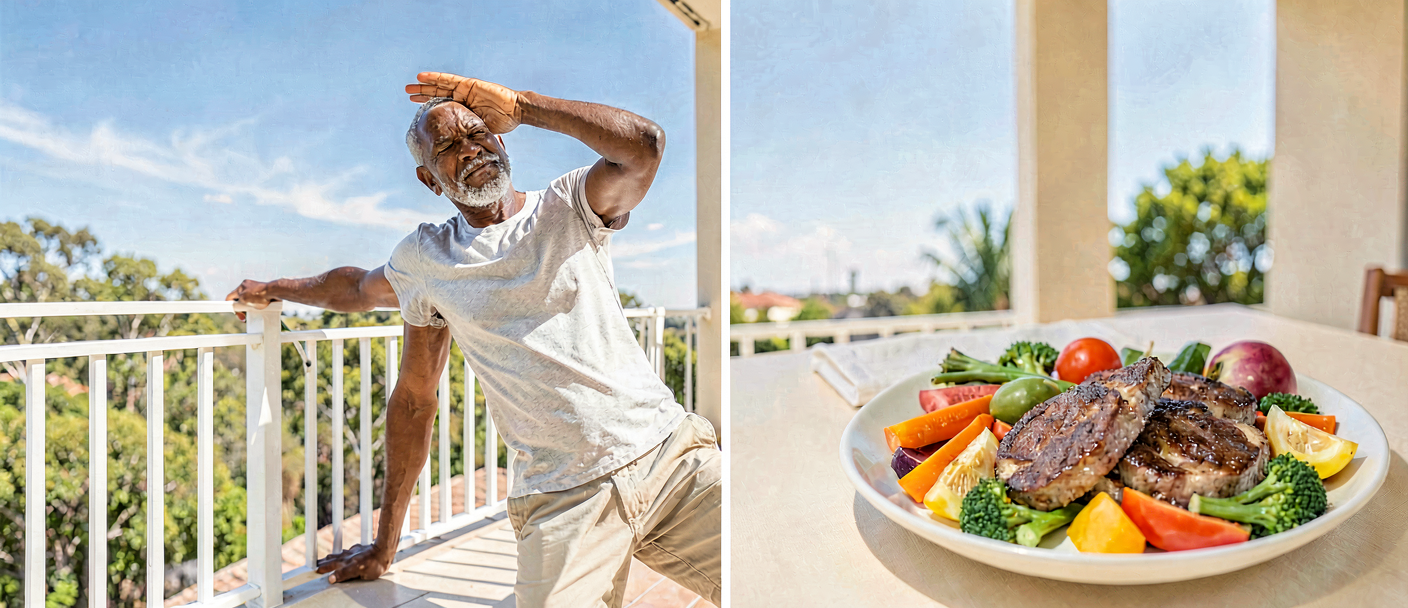
Living with chronic obstructive pulmonary disease (COPD) means every breath is work. Add excess weight to that equation — especially abdominal fat pressing up against an already-struggling diaphragm — and even walking to the kitchen becomes exhausting. The frustrating truth is that many COPD patients gain weight because breathlessness makes exercise feel impossible, while others lose dangerous muscle mass. If you're in the overweight category and want to shift kilograms safely without suffocating yourself, this South African guide is for you.
What Is COPD?
COPD is a progressive lung disease characterised by obstructed airflow, typically caused by long-term exposure to cigarette smoke, biomass fuel smoke (common in rural South African households using wood or coal fires), dust, and chemical fumes. It encompasses emphysema and chronic bronchitis, often occurring together.
In South Africa, COPD is significantly underdiagnosed. Many patients walk around with moderate-to-severe obstruction for years, dismissed as "just a smoker's cough." South Africa's high smoking rate (particularly among Coloured and Black males in the Western Cape and Gauteng), plus occupational exposures in mining and manufacturing, make COPD a significant public health burden.
The Weight-Breathing Relationship
The connection between weight and COPD works in both directions:
- Overweight: Abdominal fat pushes up the diaphragm, reducing lung volume and worsening breathlessness. It also promotes systemic inflammation, which accelerates COPD progression. Every extra kilogram around your middle makes breathing harder.
- Underweight: Severe COPD often causes unintentional weight loss due to the enormous caloric cost of breathing (COPD patients use up to 10x more energy to breathe), poor appetite, medication side effects and depression. Underweight COPD is associated with significantly worse outcomes.
This guide focuses specifically on the overweight COPD patient — if you're struggling with underweight COPD, please speak to a registered dietitian urgently, as the approach is fundamentally different.
Why Conventional Diets Fail COPD Patients
Standard weight-loss advice — "eat less, move more" — often backfires with COPD because:
- High-carb meals increase CO2 production. When you metabolise carbohydrates, your body produces more carbon dioxide than when metabolising fat or protein. For someone who already struggles to expel CO2 (a core COPD problem), a large carb-heavy meal can trigger acute breathlessness.
- Aerobic exercise triggers dyspnoea. Jogging, cycling, or anything that rapidly increases oxygen demand can be genuinely dangerous without medical supervision and pulmonary rehab.
- Bloating worsens breathlessness. Gas-producing foods, carbonated drinks, and large meals expand the stomach, pushing up the diaphragm.
- Corticosteroids cause weight gain. Many COPD patients use oral prednisone during exacerbations — this drives fluid retention and appetite increase.
The COPD-Friendly Diet: South African Approach
A COPD-friendly diet for weight loss in South Africa focuses on a higher fat-to-carbohydrate ratio, manageable meal sizes, and anti-inflammatory foods:
Macronutrient Balance
Research supports a lower-carbohydrate, higher-fat approach for COPD patients. This reduces the respiratory quotient — meaning your lungs have less CO2 to expel per calorie metabolised. Aim for roughly:
- Carbohydrates: 40% of calories (down from a typical South African 60%+)
- Fats: 40% (emphasise omega-3 rich fats: sardines, pilchards, flaxseed, walnuts)
- Protein: 20% (critical for preserving muscle mass — aim for 1.2–1.5g per kg body weight)
Good South African Food Choices for COPD
| Category | Best choices | Why |
|---|---|---|
| Protein | Eggs, canned pilchards, chicken, lean beef biltong | High satiety, low CO2 production, muscle preservation |
| Fats | Avocado, olive oil, walnuts, pumpkin seeds | Anti-inflammatory omega-3s, low respiratory quotient |
| Vegetables | Spinach, broccoli, butternut, tomatoes, sweet potato (small portions) | Antioxidants reduce lung inflammation |
| Fruit | Apples, berries, guava, naartjies | Vitamin C supports immune defence; eat whole (not juice) |
| Grains | Oats, brown rice (small portions), wholegrain bread | Fibre without excessive bloating; choose low-GI |
| Drinks | Water, rooibos tea, diluted fresh juice | Stay hydrated; rooibos is antioxidant-rich |
Foods to Limit or Avoid
- Carbonated drinks (fizzy cooldrinks, sparkling water) — bloating
- Fried, oily takeaways — inflammatory, high calorie, slow digestion
- Excessive salt and processed meats — fluid retention worsens dyspnoea
- Large portions of pap, bread, rice at one sitting — CO2 load spike
- Beans and lentils in excess — excellent nutrition but can cause gas; introduce slowly
- Alcohol — suppresses respiratory drive, interacts with inhalers
Eating Patterns That Help COPD Patients
Smaller, More Frequent Meals
Instead of three large meals, aim for 5–6 smaller ones. A full stomach pushes against the diaphragm and makes breathing harder — especially after the main evening meal when many COPD patients experience their worst breathlessness. Spreading intake through the day keeps your stomach smaller and your breathing more comfortable.
Eat Your Largest Meal Early
Have your biggest meal at breakfast or lunch when your energy and lung function are typically at their peak. Keep dinner light — a small portion of protein with salad or steamed vegetables.
Rest Before Eating
If you've been active, rest for 30 minutes before eating. Trying to eat when breathless is unpleasant and you'll eat too fast, swallowing air and making bloating worse.
Sit Upright While Eating
Posture matters for breathing. Sit up straight or lean slightly forward — the "tripod position" — while eating. Lying down or slouching after a meal worsens reflux and diaphragm compression.
Safe Exercise for Overweight COPD Patients
Exercise is essential for COPD management and weight loss, but it must be approached carefully:
Best Exercise Options
- Pursed-lip breathing walks: Short, slow walks using pursed-lip breathing technique (breathe in through nose 2 counts, out through pursed lips 4 counts). Even 5–10 minutes daily is a starting point.
- Seated strength training: Chair-based arm and leg exercises build muscle without the oxygen demands of walking or running. Resistance bands work well.
- Water aerobics / hydrotherapy: The buoyancy of water reduces effort, and moist warm air in pools is easier to breathe. Look for heated pools at Virgin Active, Planet Fitness or municipal facilities.
- Tai chi or gentle yoga: Emphasises breathing coordination with movement — directly applicable to COPD management.
- Stationary cycling: Low impact, controllable intensity, can be done seated.
Use a Pulse Oximeter
A pulse oximeter (available at Clicks and Dis-Chem from around R150–R300) clips onto your finger and monitors blood oxygen saturation (SpO2). Aim to keep SpO2 above 88–90% during exercise. If it drops below 88%, stop and rest. If you regularly drop below this during light activity, discuss supplemental oxygen with your doctor.
Pulmonary Rehabilitation in South Africa
Pulmonary rehabilitation (PR) is a structured, supervised programme of exercise, education and support specifically for people with chronic lung diseases. Evidence consistently shows PR improves exercise tolerance, reduces breathlessness, and improves quality of life in COPD patients — and supports weight management.
Where to access PR in South Africa:
- Academic hospitals: Groote Schuur Hospital (Cape Town), Chris Hani Baragwanath (Soweto), Tygerberg Hospital (Bellville), Steve Biko Academic Hospital (Pretoria), King Edward VIII (Durban)
- Private physiotherapy practices: Many offer individual pulmonary physio; ask your specialist for a referral
- CANSA Care Centres: Some centres support patients with breathlessness management
- COPD Foundation South Africa: Contact via your pulmonologist for community support resources
As a PMB condition, your medical aid must fund medically necessary COPD treatment. Pulmonary rehab may require motivation from your pulmonologist, but it is legitimately fundable under PMB.
Medication and Weight in COPD
Understanding how your COPD medications interact with your weight:
- Inhaled corticosteroids (ICS) — Symbicort, Seretide, Alvesco: Low systemic absorption at standard doses; minimal weight effect compared to oral steroids.
- Oral corticosteroids (prednisone): Used during exacerbations. Drives fluid retention, increased appetite and central fat deposition. Minimise use by managing exacerbations early and following your action plan.
- Bronchodilators (Ventolin, Spiriva, Seebri): Generally weight-neutral. Salbutamol (Ventolin) can cause mild tremor and increased heart rate.
- Antibiotics during exacerbations: Not directly weight-affecting, but gut microbiome disruption after courses of antibiotics can increase appetite temporarily — eat probiotic-rich foods (plain yoghurt, amasi) after antibiotic courses.
Sample COPD-Friendly Day of Eating (SA Style)
| Time | Meal | Notes |
|---|---|---|
| 7:00am | 2 scrambled eggs + 1 slice low-GI toast + ½ avocado + rooibos tea | High protein, healthy fat start |
| 10:00am | Small handful of walnuts + 1 apple | Anti-inflammatory omega-3s, fibre |
| 12:30pm | Grilled pilchards + large green salad with olive oil dressing + small portion brown rice | Main meal mid-day when breathing is best |
| 3:00pm | Plain yoghurt + ¼ cup blueberries/naartjie segments | Probiotics + vitamin C |
| 6:00pm | Chicken soup (homemade, low salt) + steamed broccoli | Light dinner; easy to digest |
| 8:00pm | Small portion biltong (30g) or handful of pumpkin seeds | Protein if still hungry; no bloating |
Realistic Expectations
With COPD, weight loss will be slower than for healthy individuals. A target of 0.5–1kg per week is realistic and safe. Even modest weight loss of 5–10% of body weight can produce meaningful improvements in breathlessness, walking distance, and quality of life. Focus on what you can do consistently, not perfection.
Track your progress not just on the scale, but by how far you can walk before stopping, how many steps you manage daily, and whether you're managing stairs better. Functional gains often outpace what the scale shows.
Frequently Asked Questions
Can I lose weight if I have COPD?
Yes, but it requires a careful approach. Modest caloric restriction combined with low-intensity breathing-friendly exercise can help reduce weight without triggering severe dyspnoea. Always work with your pulmonologist or GP before starting.
Does losing weight help COPD symptoms?
For overweight individuals, yes. Excess abdominal fat pushes up the diaphragm, making breathing harder. Reducing abdominal weight can measurably improve your FEV1 and reduce breathlessness during daily activities.
What foods should COPD patients avoid?
Avoid high-carbohydrate meals (which produce more CO2 during metabolism), carbonated drinks, processed foods high in salt, and anything that triggers acid reflux.
Is pulmonary rehabilitation available in South Africa?
Yes — at major academic hospitals (Groote Schuur, Chris Hani Baragwanath, Tygerberg) and some private physiotherapy practices. COPD is a PMB condition, so your medical aid must cover appropriate treatment.
What is safe exercise for COPD patients trying to lose weight?
Pursed-lip breathing walks, seated strength training, gentle water aerobics and tai chi are well-tolerated by most COPD patients. Use a pulse oximeter to monitor oxygen saturation and stop if SpO2 drops below 88%.
© 2026 WeightLossDiets.co.za • Privacy Policy • Medical Disclaimer • Contact
This site does not provide medical advice. Content is for informational purposes only. Always consult a qualified healthcare professional.