Next-Generation GLP-1 Weight Loss Drugs Coming to South Africa (2026)
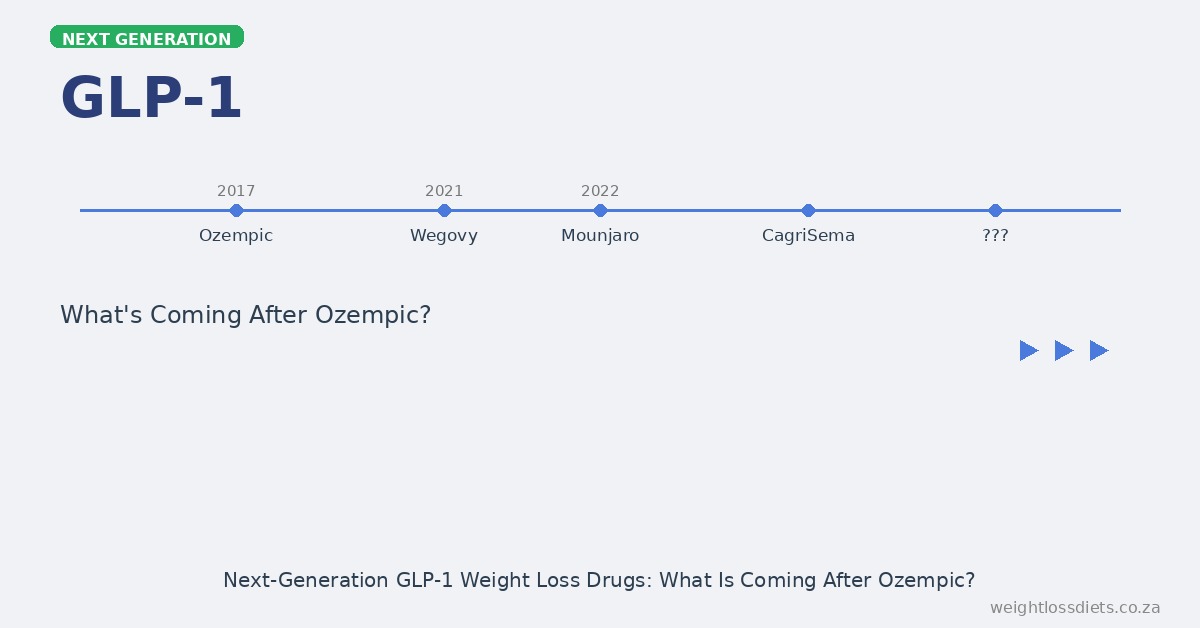
Ozempic and Wegovy started the GLP-1 revolution in South Africa, and Mounjaro pushed it further with dual-receptor technology. But the pipeline does not stop there. A new wave of weight loss medications is moving through clinical trials right now -- drugs that target more receptors, come in pill form, or deliver even greater weight reduction than anything currently available.
If you are watching this space and wondering what comes after Ozempic, this guide breaks down the three most promising next-generation GLP-1 drugs, what the clinical data shows so far, and when South African patients might realistically get access.
Why the Next Generation Matters
Current GLP-1 drugs like semaglutide work by mimicking the GLP-1 hormone, which reduces appetite and slows stomach emptying. They are effective -- Wegovy trials showed around 15-17% body weight loss over 68 weeks. But researchers believe they can do better by targeting multiple hormone pathways simultaneously.
The next generation of weight loss drugs falls into three broad categories:
- Triple agonists -- targeting GLP-1, GIP, and glucagon receptors at the same time
- Oral GLP-1 pills -- eliminating the need for weekly injections
- Dual GLP-1/glucagon agonists -- combining appetite suppression with increased energy expenditure
Retatrutide: The Triple Agonist
What it is
Retatrutide (developed by Eli Lilly, the same company behind Mounjaro) is a weekly injectable that activates three hormone receptors: GLP-1, GIP, and glucagon. This triple action is a step beyond Mounjaro, which targets two receptors (GLP-1 and GIP).
What the trials show
Phase 2 trial results published in the New England Journal of Medicine showed remarkable outcomes:
- Participants on the highest dose lost up to 24.2% of body weight over 48 weeks
- Over 90% of participants on the 12 mg dose lost at least 5% of body weight
- Weight loss was still trending downward at 48 weeks, suggesting even greater loss with longer treatment
- The glucagon component may help burn more energy and reduce liver fat
To put that in perspective: if you weigh 100 kg, a 24% loss means dropping to around 76 kg over less than a year. That is a level of weight reduction previously only achievable through bariatric surgery.
Side effects
Similar to other GLP-1 drugs -- nausea, diarrhoea, vomiting, and decreased appetite were the most common. These were generally mild to moderate and reduced over time. Phase 3 trials (ongoing) will provide more comprehensive safety data.
Orforglipron: The GLP-1 Pill
What it is
Orforglipron (also developed by Eli Lilly) is an oral, non-peptide GLP-1 receptor agonist. Unlike Rybelsus (oral semaglutide), which is a peptide that must be taken on an empty stomach with specific water requirements, orforglipron is a small molecule. This means it is easier to manufacture, potentially cheaper, and simpler to take.
What the trials show
- Phase 3 ATTAIN-1 trial: weight loss of 12.4% at the highest dose (17.2 mg) over 72 weeks (completers); 11.1% intent-to-treat
- Phase 3 ACHIEVE-3 head-to-head trial: orforglipron outperformed oral semaglutide across all key endpoints for blood sugar control and weight loss
- ATTAIN-MAINTAIN trial: patients maintained 75-80% of weight loss benefits after continued use
- Once-daily oral dosing -- no needles required, no food or water restrictions
- US pricing: from $149/month (self-pay) or as low as $25/month with commercial insurance
Why this matters for South Africa
Many South Africans are uncomfortable with self-injecting, and access to healthcare facilities for injection support is uneven, especially in rural areas. A daily pill that works as well as an injection could dramatically widen access. If manufacturing costs are lower, the Single Exit Price in South Africa could be more affordable than current injectable GLP-1 options.
Side effects
Gastrointestinal side effects (nausea, vomiting, diarrhoea) were the most common, consistent with the GLP-1 drug class. Dose titration (starting low and increasing gradually) helped reduce these effects.
Survodutide: The Dual GLP-1/Glucagon Agonist
What it is
Survodutide (developed by Boehringer Ingelheim and Zealand Pharma) is a dual-receptor agonist targeting GLP-1 and glucagon receptors. While Mounjaro targets GLP-1 and GIP, survodutide swaps GIP for glucagon -- a different strategy that emphasises increased energy expenditure alongside appetite reduction.
What the trials show
- Phase 2 data showed weight loss of up to 19.5% over 46 weeks
- The glucagon component appears to specifically target liver fat, making it promising for patients with non-alcoholic fatty liver disease (NAFLD / MASH)
- Phase 3 trials are underway for both obesity and MASH indications
The liver fat angle
This is where survodutide stands out. NAFLD is increasingly common in South Africa, driven by the same dietary patterns that fuel obesity -- high sugar intake, refined carbohydrates, and processed foods. A medication that reduces both body weight and liver fat could address two problems simultaneously.
How Do These Compare?
| Drug | Developer | Receptors Targeted | Format | Max Weight Loss (Trials) | Phase |
|---|---|---|---|---|---|
| Semaglutide (Wegovy) | Novo Nordisk | GLP-1 | Weekly injection | ~15-17% | Approved / available |
| Tirzepatide (Mounjaro) | Eli Lilly | GLP-1 + GIP | Weekly injection | ~22.5% | Approved (not yet SAHPRA) |
| Retatrutide | Eli Lilly | GLP-1 + GIP + Glucagon | Weekly injection | ~24.2% | Phase 3 |
| Orforglipron (Foundayo) | Eli Lilly | GLP-1 | Daily oral pill | ~12.4% | FDA approved (Apr 2026) |
| Survodutide | Boehringer Ingelheim | GLP-1 + Glucagon | Weekly injection | ~19.5% | Phase 3 |
Note: trial results are from different study populations and durations. The ACHIEVE-3 trial (2026) provided the first head-to-head comparison showing orforglipron outperforming oral semaglutide. Figures are approximate and based on published trial data.
What This Means for South African Patients
Availability timeline
Orforglipron (Foundayo) is now FDA-approved and available in the US, but none of these next-generation drugs are currently available in South Africa. The typical pathway to SA availability is:
- Phase 3 trial completion and data publication
- FDA / EMA approval in the US or Europe
- SAHPRA registration application in South Africa
- SAHPRA review and approval (can take 12-24 months)
- Single Exit Price negotiation and distribution setup
With Foundayo (orforglipron) now FDA-approved, Eli Lilly can begin the SAHPRA registration process. Realistically, Foundayo could reach SA pharmacies by late 2027 to 2028. Retatrutide and survodutide, still in Phase 3 trials, are likely 2028-2030 for South African availability.
Cost expectations
Pricing is speculative at this stage, but some general principles apply:
- New branded medications typically launch at a premium. Expect initial pricing similar to or higher than current Ozempic costs (R1,800-R3,500/month).
- Competition between Eli Lilly (retatrutide, orforglipron), Novo Nordisk (semaglutide), and Boehringer Ingelheim (survodutide) should create downward price pressure over time.
- Orforglipron, as an oral pill, has lower manufacturing and cold-chain distribution costs, which could translate to a lower SEP in South Africa.
- Medical aid coverage will depend on SAHPRA registration status and whether the Council for Medical Schemes updates PMB definitions to include obesity management.
Clinical trials in South Africa
Some global trials include South African sites. If you are interested in accessing these drugs before commercial launch, ask your doctor about clinical trial eligibility. Check the South African Clinical Trials Register (SANCTR) and ClinicalTrials.gov for active recruitment.
What to Do While You Wait
These drugs are exciting, but they are years away from South African pharmacies. In the meantime, there is plenty you can do today:
- Talk to your doctor about current options: Ozempic, Wegovy, and Rybelsus are already registered with SAHPRA. Mounjaro is accessible via Section 21 applications.
- Build sustainable habits now: A solid eating plan and regular walking routine will complement any medication -- current or future.
- Understand your medical aid: Our GLP-1 medical aid coverage guide explains what is covered, how to apply for ex-gratia benefits, and what to expect out of pocket.
- Focus on whole foods: Local staples like lean biltong, fresh vegetables from your garden or local market, lentils, sweet potatoes, and rooibos tea form the foundation of a healthy South African eating pattern. No pill replaces good nutrition.
- Watch for generic semaglutide: As patents evolve, more affordable versions of current GLP-1 drugs may enter the SA market before next-gen options arrive.
New to GLP-1 Medications?
Start with our complete GLP-1 weight loss guide to understand how these drugs work, who qualifies, and what results to expect from treatments available today.
The Bottom Line
The weight loss drug pipeline is the most active it has ever been. Orforglipron (now FDA-approved as Foundayo) has already made GLP-1 therapy as simple as taking a daily pill. Retatrutide could deliver bariatric-surgery-level weight loss in a weekly injection. Survodutide could simultaneously tackle obesity and fatty liver disease.
For South African patients, the wait will be a few years yet. SAHPRA registration, SEP pricing, and medical aid coverage decisions all take time. But the direction is clear: more effective, more accessible, and eventually more affordable weight loss treatments are on their way.
Until then, make the most of what is available now. Speak to your doctor, explore current GLP-1 options, and build the lifestyle foundation that will make any future medication work even better.