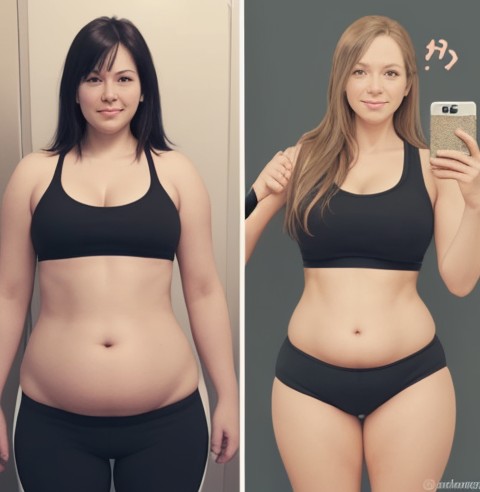
Structured diet plans provide clear guidance and take the guesswork out of weight management. Our collection of evidence-based diet plans offers options for different caloric needs, dietary preferences, and health considerations. Each plan includes complete 7-day meal plans with nutritionally balanced recipes and shopping lists to simplify your weight loss journey.
Every plan below is built around ingredients readily available at South African supermarkets, with kilojoule counts rather than just calories, so you can shop and track using labels the way they're printed here at home. Whether you're feeding a household on a tight rand budget or need a plan flexible enough to work around load shedding and braai weekends, there's a starting point below — and you can always move between plans as your needs change.
Note: Before starting any calorie-restricted diet, consult with a healthcare professional, especially if you have existing health conditions or are taking medications.
❄️ Choosing a Diet Plan for Winter
Appetite naturally increases in colder months, and comfort-food cravings can derail even a well-chosen plan. A couple of winter-specific pointers:
- If you're on the 5000 kJ plan and finding it tough in winter, it's fine to step up to the 7600 kJ plan temporarily rather than abandoning structure altogether.
- Warm, high-fibre meals (soups, potjies, stews) fit all three kilojoule-controlled plans below — just swap heavy starches for extra vegetables.
- Load shedding-friendly batch cooking works well with the High Fibre Diet Plan, since fibre-rich meals reheat and store well.
As always, check with a doctor or dietitian before changing your calorie target, especially if you're managing a medical condition.
Kilojoule-Controlled Diet Plans
Our energy-controlled diet plans provide structured meal plans at different calorie levels to suit various weight loss goals and individual needs.
5000 Kilojoule Diet (1200 Calorie)
This low-calorie plan is designed for effective weight loss while maintaining nutritional balance. Ideal for:
- Individuals seeking significant weight loss
- Shorter individuals with lower baseline caloric needs
- Those with sedentary lifestyles
Features include:
- Complete 7-day meal plan with all meals and snacks
- Nutritionally balanced with adequate protein
- Emphasis on high-volume, low-calorie foods for satiety
- Shopping lists and preparation guidelines
7600 Kilojoule Diet (1800 Calorie)
This moderate calorie restriction plan balances weight loss with higher energy needs. Ideal for:
- Moderately active individuals
- Taller people with higher baseline caloric needs
- Those seeking a gradual, sustainable approach
Features include:
- Balanced macronutrient distribution
- More flexibility and larger portions than lower-calorie plans
- Support for regular physical activity
- Emphasis on nutrient-dense whole foods
10000 Kilojoule Diet (2400 Calorie)
This higher-energy plan supports weight management for active individuals. Ideal for:
- Very physically active people
- Larger individuals with higher energy requirements
- Those transitioning from weight loss to maintenance
Features include:
- Higher protein content to support muscle maintenance
- Strategic carbohydrate timing around workouts
- Balanced approach that prevents excessive hunger
- Focus on performance nutrition alongside weight management
Specialized Diet Plans
These plans address specific dietary preferences and health considerations while supporting weight management goals.
High Fibre Diet Plan
A high fibre approach that supports digestive health and weight management. Ideal for:
- Those looking to improve digestive health
- People seeking enhanced satiety to manage hunger
- Individuals wanting to improve cholesterol levels
- Those wishing to stabilize blood sugar
Features include:
- Fiber-rich food lists with fiber content measurements
- 7-day meal plan with adequate fiber intake
- Balanced approach for both soluble and insoluble fiber
- Guidance on gradually increasing fiber intake
This plan helps incorporate more fiber into your diet while supporting weight loss goals.
View High Fibre DietVegetarian Diet Plan
Plant-based eating approach that supports weight loss while excluding meat products. Features include:
- Complete protein combinations from plant sources
- Emphasis on nutrient-dense vegetarian foods
- Options for different vegetarian approaches (lacto-ovo, lacto, etc.)
- High-fiber meals for improved satiety
- Guidance on potential nutrient considerations
This plan demonstrates that effective weight management is entirely possible with a vegetarian approach.
View Vegetarian DietLow Salt Diet Plan
Reduced sodium approach for weight management alongside blood pressure control. Features include:
- Flavor-focused recipes that minimize sodium
- Education on hidden salt sources in processed foods
- Emphasis on fresh, whole foods
- Alternative seasoning strategies using herbs and spices
- Compatible with weight loss goals and heart health
This plan is particularly valuable for those managing hypertension alongside weight concerns.
View Low Salt DietMedically-Guided Approaches
Some individuals may benefit from more structured medical approaches to weight management.
Medically Supervised Diet Plans
Overview of approaches that involve healthcare provider oversight, including:
- Very low-calorie diets (VLCDs)
- Protein-sparing modified fasts
- Pre-surgical dietary preparations
- Structured programs with medical monitoring
This resource explains when medical supervision is necessary and what to expect from these approaches.
Learn About Medical DietsOzempic Diet Approach
Nutritional guidance for those using Ozempic (semaglutide) for weight management, including:
- Dietary adaptations to complement medication effects
- Managing potential gastrointestinal side effects
- Optimal meal timing and composition
- Nutritional adequacy while using appetite-suppressing medication
This specialized resource helps maximize results when combining diet with prescription medications.
Ozempic Diet GuideChoosing the Right Diet Plan
When selecting a diet plan, consider these factors:
- Energy Needs: Based on your height, weight, age, gender, and activity level
- Health Considerations: Any existing medical conditions or nutritional concerns
- Food Preferences: Cuisines and ingredients you genuinely enjoy
- Lifestyle Factors: Time for food preparation, social dining situations, etc.
- Previous Experience: What has and hasn't worked for you in the past
Important: The most effective diet plan is one you can adhere to consistently. Consider starting with a more moderate approach (e.g., 7600 kilojoule) and adjusting based on your results and experiences.
❓ Diet Plan FAQs
Which kilojoule diet plan should I start with?
Most sedentary adults do well starting at 7600 kJ (roughly 1800 calories) and adjusting based on results after 2-3 weeks. The 5000 kJ plan is more aggressive and better suited to shorter or less active individuals under guidance, while the 10000 kJ plan suits very active people or those in a maintenance phase.
Can I switch between diet plans?
Yes — many people move between kilojoule levels as their activity, weight, or life circumstances change. There's no harm in adjusting your target as long as changes are gradual and you're still eating a nutritionally balanced diet. See our Nutrition guide for the balance principles that apply across all plans.
Are these diet plans safe if I have a medical condition?
The plans on this page are general guidance, not personalised medical advice. If you have diabetes, heart disease, kidney issues, or are pregnant or breastfeeding, speak to your doctor or a registered dietitian before starting any structured calorie-controlled plan — our Medically Supervised Diets page explains when professional oversight is especially important.
How do these plans work alongside Ozempic or Mounjaro?
GLP-1 medications reduce appetite significantly, so a very low-calorie plan isn't usually necessary or advisable alongside them — the focus shifts to nutritional adequacy despite eating less. See our Ozempic Diet Approach section above and always follow your prescribing doctor's guidance.