Weight Loss After Gallbladder Removal in South Africa: The Complete Post-Cholecystectomy Guide
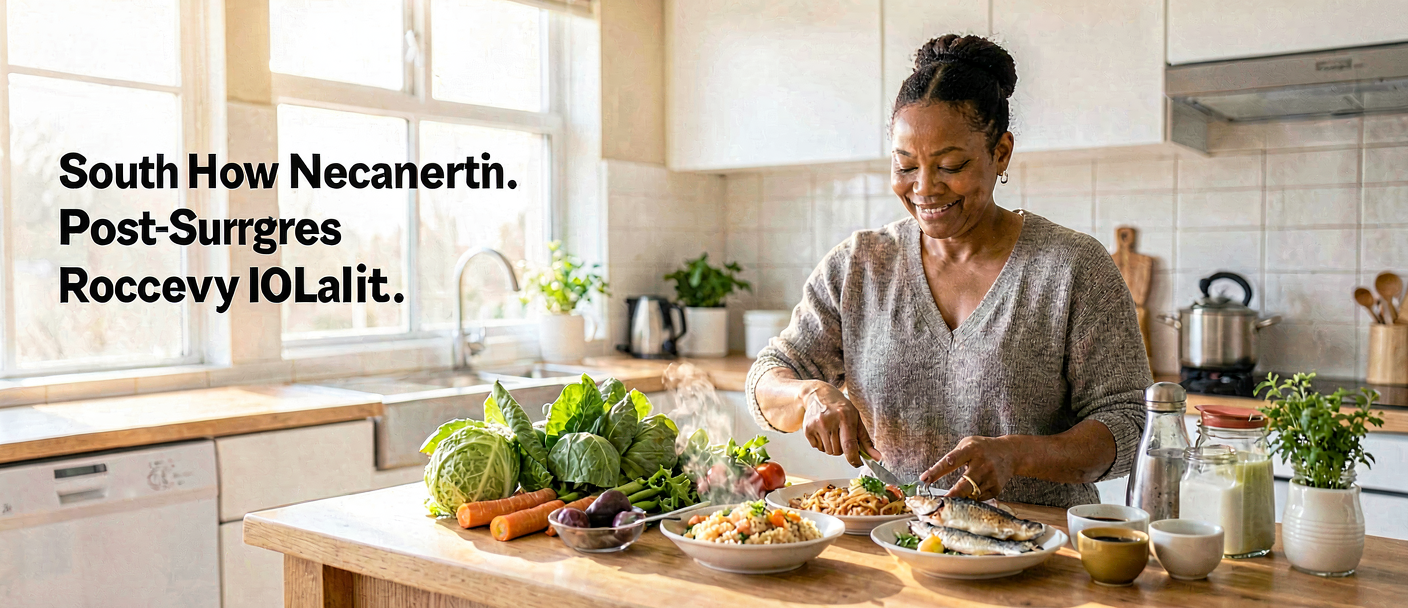
Gallbladder removal (cholecystectomy) is one of the most commonly performed operations in South Africa — typically done laparoscopically (keyhole surgery) by a general surgeon. Life without a gallbladder is absolutely possible, and many people manage their weight very well. But the adjustment period matters, and the transition to healthy long-term eating after surgery can feel confusing. This guide explains exactly how your digestion changes, what to eat in the weeks following surgery, and how to structure your eating for sustainable weight loss over the long term.
What Does Your Gallbladder Actually Do?
Your gallbladder is a small pear-shaped organ tucked under the liver. Its job is to store and concentrate bile — a yellowish-green digestive fluid produced by the liver that emulsifies dietary fat so your intestines can absorb it. When you eat fat, the gallbladder contracts and squirts a concentrated burst of bile into the small intestine (specifically into the duodenum) to digest that fat.
Without a gallbladder, bile is still produced by the liver — but instead of being stored and released in concentrated spurts, it drips continuously into the small intestine at a low, steady rate. This has two main consequences:
- Reduced fat digestion capacity: especially for large, fatty meals — you can't mobilise enough bile fast enough to digest them properly, leading to fatty stools, bloating and diarrhoea
- Continuous bile drip into the colon: bile has a laxative effect; excess bile reaching the colon causes loose stools and urgency — this is post-cholecystectomy diarrhoea (PCS)
The good news: your liver and intestine adapt over weeks to months. The liver gradually increases bile production. The intestinal wall adjusts to handle the continuous flow. Most people's fat tolerance improves substantially within 3-6 months of surgery.
Why Gallstones Develop — and the Link to Obesity
Gallstones form when bile becomes too concentrated with cholesterol, calcium salts or bilirubin. Risk factors include:
- Obesity and rapid weight loss (which releases cholesterol into bile faster than the liver can clear it)
- A high-fat, low-fibre Western diet
- Female sex (oestrogen increases biliary cholesterol secretion)
- Pregnancy
- Family history
- Certain medications (fibrates, oral contraceptives)
It's worth noting that the same diet and lifestyle changes that help you lose weight after surgery also reduce the metabolic factors that led to gallstones in the first place — so this is an opportunity to meaningfully change your eating habits, not just temporarily modify them.
The Post-Cholecystectomy Diet: Week by Week
Week 1: Clear Liquids and Rest
For the first few days after surgery, stick to clear fluids: water, diluted fruit juice, clear broth (chicken or vegetable), and ice chips. Your gut has been through trauma and needs to recover. Introduce sips gradually.
Weeks 1-2: Low-Fat Soft Foods
Transition to easily digested, very low-fat foods:
- Thin porridge (not enriched with milk or butter)
- Plain white rice with steamed vegetables
- Toast with a thin scrape of low-fat spread
- Bananas, cooked apple, canned fruit in juice (not syrup)
- Poached or boiled egg (no fried foods yet)
- Low-fat yoghurt
- Skinless chicken breast — boiled or poached
Keep fat content below 3g per meal during this phase. Your bile supply is establishing its new pattern and large fat loads will almost certainly cause cramping and diarrhoea.
Weeks 3-6: Gradual Fat Reintroduction
Slowly reintroduce small amounts of healthy fats — avocado, a teaspoon of olive oil, a small portion of lean fish. Monitor your response. If a food causes diarrhoea or cramping, wait another week before trying again. Small frequent meals (5-6 per day rather than 3 large ones) are far better tolerated during this phase.
Months 2-6: Full Adaptation
Most people reach a stable "new normal" within 3-6 months. You'll learn which foods your body tolerates in what quantities. Some people regain near-normal fat tolerance; others remain sensitive to large fatty meals long-term. Both outcomes are manageable with the right dietary habits.
Foods to Avoid Long-Term After Gallbladder Removal
While individual tolerance varies, these foods commonly cause problems for post-cholecystectomy patients:
High-Fat Foods
- Fried foods: slap chips, pap with oil, fried chicken
- Full-fat dairy: cream, full-cream milk, butter, full-fat cheese
- Fatty meat cuts: pork belly, lamb ribs, beef brisket, boerewors (high fat content)
- Cream-based sauces and gravy
- Takeaways and fast food (high in hidden fats)
- Coconut cream and oil (while healthy for most people, high fat load is problematic post-cholecystectomy)
Other Problem Foods
- Very spicy foods — irritate the gut and worsen diarrhoea
- Caffeine in large amounts — stimulates gut motility and worsens urgency
- Carbonated drinks — bloating and gas
- Alcohol — irritates the digestive tract and impairs fat digestion
- Very large meals of any kind — even low-fat meals in large volumes can overwhelm bile supply
What to Eat: Your Long-Term Post-Cholecystectomy Plate
The ideal post-cholecystectomy diet is naturally aligned with evidence-based healthy eating — and with a caloric deficit, it's excellent for weight loss too:
Protein Sources (Low-Fat)
- Skinless chicken and turkey breast
- Fish: hake, snoek (grilled or baked, not fried), tuna in water
- Egg whites and whole eggs in moderation (1-2 whole eggs tolerated by most)
- Low-fat plain yoghurt and cottage cheese
- Lentils, chickpeas and beans (excellent protein + soluble fibre)
Soluble Fibre (Critical for Gut Health)
Soluble fibre absorbs water and forms a gel in the gut, which slows bile transit through the colon, reducing diarrhoea. This is your most powerful dietary tool for managing PCS:
- Oats and oat bran
- Psyllium husk (Metamucil, available at Dis-Chem and Clicks; R80-R150 for a large tin)
- Lentils, split peas, sugar beans
- Apples, pears (with skin), citrus
- Carrots and sweet potato
Healthy Fats in Small Amounts
Don't eliminate fat completely — fat-soluble vitamins (A, D, E, K) require some fat for absorption. Introduce small amounts of these healthy fats gradually:
- Avocado — a quarter to half at a time
- Olive oil — 1 teaspoon for cooking
- Nuts — small handful (10-15g)
- Oily fish — sardines, salmon, mackerel in moderation
A Sample Day of Post-Cholecystectomy Eating (Weight Loss Phase)
| Meal | Example | Notes |
|---|---|---|
| Breakfast | Oats with sliced banana and cinnamon; rooibos tea | Soluble fibre, no added fat |
| Mid-morning snack | Low-fat Bulgarian yoghurt with apple slices | Protein + soluble fibre |
| Lunch | Grilled hake with steamed rice and peas | Lean protein, easy to digest |
| Afternoon snack | Carrot sticks with low-fat cottage cheese | Fibre + protein |
| Dinner | Lentil and vegetable soup with thin whole-grain bread slice | Soluble fibre, plant protein |
Exercise After Cholecystectomy
Walking is generally safe from week 1 post-surgery (even gentle strolling). However, avoid strenuous abdominal exercise for 4-6 weeks to allow the laparoscopic port sites to heal fully. Lifting restrictions apply (usually nothing over 5kg for 2 weeks for laparoscopic; longer for open surgery).
From week 6 onwards, progressive exercise is appropriate:
- Brisk walking, cycling, swimming
- Light resistance training from week 6-8
- Full activity by 3 months for most laparoscopic patients
Exercise supports weight loss and improves gut motility, which can actually help with post-cholecystectomy diarrhoea by normalising bowel transit patterns.
Managing Post-Cholecystectomy Diarrhoea
If diarrhoea persists beyond 3 months, you may have bile acid malabsorption. Options include:
- Cholestyramine (Questran): a bile acid sequestrant that binds excess bile in the gut, reducing its laxative effect. Available on prescription in South Africa.
- Psyllium husk supplementation: first-line dietary intervention
- Probiotics: Lactobacillus-based products available at Dis-Chem and Clicks can help normalise gut motility
- Discuss with a gastroenterologist if symptoms are significantly affecting quality of life — GASA (Gastroenterology Society of South Africa) at gasa.co.za maintains a specialist directory
Braai Culture and the Post-Cholecystectomy Challenge
The South African braai is a social institution — and it can be tricky without a gallbladder. High-fat cuts like boerewors, lamb chops and pork belly are very likely to cause immediate digestive distress, particularly in the first 6 months.
Navigating a braai post-cholecystectomy:
- Choose chicken breast (skinless, not basted with high-fat sauces) or line-caught fish like snoek
- Corn on the cob is excellent — fibre-rich and gentle on the gut
- Roasted vegetables (butternut, baby marrows, peppers) in a small amount of olive oil are well-tolerated
- Skip the dips and creamy salads (potato salad with mayo, coleslaw with cream — both high fat)
- Go easy on the alcohol — spirits and beer both worsen diarrhoea
- Eat smaller portions — the "pile your plate high" braai culture needs adjusting post-cholecystectomy
Just had your gallbladder out and wondering where to start with eating? Our low-fat diet guide for South Africans and high-fibre eating plan have practical, SA-specific meal ideas that work beautifully for post-cholecystectomy recovery. A registered dietitian (find one at adsa.org.za) can also provide a personalised plan.
Frequently Asked Questions
Can you lose weight after gallbladder removal?
Yes. Many people naturally lose weight because they reduce fat intake to avoid discomfort. With a structured low-fat, high-fibre diet and regular exercise, sustainable weight loss is very achievable without a gallbladder.
What foods should I avoid after gallbladder removal?
High-fat foods (fried foods, fatty meats, full-fat dairy, cream sauces), very spicy foods, carbonated drinks, caffeine in large amounts and alcohol — especially in the first 3-6 months.
How long after gallbladder removal can I eat normally?
Most people can eat a relatively normal (low-fat) diet within 4-6 weeks. Full fat tolerance typically improves within 3-6 months. Introduce fats gradually and monitor your response.
Will I have diarrhoea forever?
Not necessarily. Post-cholecystectomy diarrhoea affects about 10-20% of people long-term. Soluble fibre (oats, lentils, psyllium husk) helps significantly. If it persists beyond 3 months, ask your GP about bile acid sequestrant treatment.
Can I eat biltong after gallbladder removal?
After 6-8 weeks, lean biltong in small portions is generally well-tolerated — it's relatively lean protein. Avoid high-fat cuts and processed meats like boerewors until fat tolerance is well-established.
© 2026 WeightLossDiets.co.za • Privacy Policy • Medical Disclaimer • Contact
This site does not provide medical advice. Content is for informational purposes only. Always consult a qualified healthcare professional.