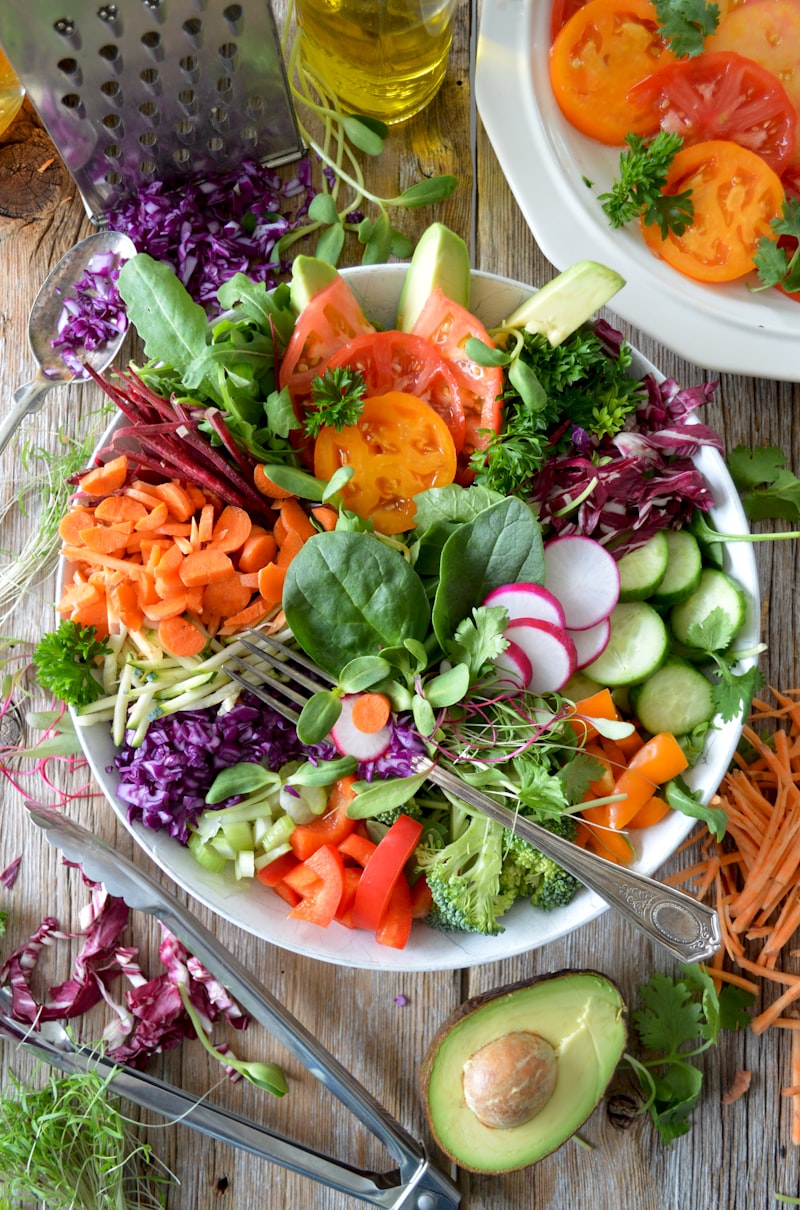
Losing weight in South Africa comes with its own unique challenges: braais every weekend, pap and wors culture, load shedding that disrupts meal prep, and a food environment packed with cheap, carb-heavy staples. These 20 tips are specifically designed for South Africans who want to lose weight without giving up the foods and lifestyle they love.
Survive the Braai Without Derailing Your Diet
A braai doesn't have to blow your diet. Skip the rolls and pap — eat your wors, chops, and chicken without them. Fill your plate with a big salad instead of potato salad or coleslaw (usually mayonnaise-heavy). A braai is actually one of the most protein-rich meals you can eat.
Swap White Pap for Cauliflower Mash
Pap is a South African staple but it's high in refined carbohydrates. Blended cauliflower with butter and cream cheese makes an almost identical-looking side dish with a fraction of the kilojoules. Try it once and you'll be surprised.
Drink Rooibos Tea Instead of Sweetened Drinks
South Africans are big cold drink consumers — but a 500ml Coke contains 56g of sugar (over 2,000kJ). Rooibos tea is calorie-free, rich in antioxidants, and tastes great hot or iced. Make a big jug and keep it in the fridge as your daily drink.
Eat Biltong Instead of Chips
Biltong is one of the world's best high-protein snacks. Plain biltong has about 50g of protein per 100g and is low in carbohydrates. Choose unseasoned or lightly spiced biltong without sugar curing to keep it clean.
Use a Smaller Plate
Studies consistently show people eat 20–30% less simply by using a side plate instead of a dinner plate. The portion looks the same size to your brain — a powerful psychological trick that requires zero willpower.
Walk 30 Minutes a Day — That's All
You don't need a gym membership to lose weight. A 30-minute brisk walk every day burns approximately 600–800kJ and significantly improves metabolic health. Walk around your neighbourhood, mall, or workplace. Consistency over intensity.
Cut the Liquid Calories First
Sugary drinks are the single biggest source of empty kilojoules for most South Africans. Cutting out just one can of cold drink per day saves over 700kJ — equivalent to 1–2 slices of bread. Switch to water, rooibos, or sparkling water.
Eat More Eggs
Eggs are nutritious, affordable, and filling. At under R4 per egg, they're a budget-friendly protein source that keeps you full for hours. Scrambled, boiled, poached, or fried in a little coconut oil — eggs deserve a place in every SA weight loss plan.
Don't Skip Meals — It Backfires
Skipping meals (especially breakfast) often leads to severe hunger by midday, resulting in overeating at lunch or snacking on whatever is available. Eat regular, balanced meals and avoid arriving at meals ravenous.
Buy Frozen Vegetables to Save Money
Frozen vegetables are just as nutritious as fresh, often cheaper, and don't go off. A bag of frozen mixed veg from Checkers costs around R20 and provides 4–5 portions. Add them to stir-fries, soups, or rice dishes.
Pre-Track Your Weekend
Weekends are where most SA diets fall apart. Before a braai or social event, decide in advance what you'll eat and what you'll avoid. Having a plan prevents impulsive decisions under social pressure.
Add Avocado to Everything
South Africa grows beautiful avocados — often cheaper here than anywhere in the world. Avocado is packed with healthy fats that keep you full, support heart health, and make salads and eggs infinitely more satisfying.
Make Peace with Load Shedding Meal Prep
Load shedding doesn't have to wreck your healthy eating. Pre-cook meals in bulk when power is on. Keep healthy no-cook options ready: biltong, boiled eggs, canned tuna, fresh fruit, nuts, and whole grain crackers.
Read the Labels on "Healthy" Products
Many products marketed as "healthy" in SA supermarkets are loaded with sugar. Low-fat yoghurt often contains more sugar than full-fat. Always check sugar content per 100g — aim for under 5g per 100g.
Drink Water Before Every Meal
Drinking 500ml of water 30 minutes before a meal has been clinically shown to reduce meal intake by an average of 13%. It also helps you distinguish true hunger from thirst, which we often confuse.
Choose Sorghum or Oats Over Cornflakes
Traditional sorghum porridge (maltabella) and plain oats are far better than commercial cereals, which are typically high in sugar and refined carbs. These whole-grain options are high in fibre and keep you full until lunch.
Use the Plate Method
A simple visual guide for every meal: ½ plate non-starchy vegetables (salad, broccoli, spinach) · ¼ plate lean protein (chicken, fish, eggs) · ¼ plate complex carbohydrate (brown rice, sweet potato, whole grain pap).
Sleep 7–9 Hours Per Night
Poor sleep increases the hunger hormone ghrelin and decreases leptin (the fullness hormone). South Africans who sleep less than 6 hours are significantly more likely to be overweight. Prioritise sleep as seriously as diet and exercise.
Make Sosaties Healthier
Sosaties (kebabs) are a braai classic. Use lean chicken or beef, thread on plenty of vegetables (peppers, onion, mushrooms, courgette), and use a sugar-free marinade. All the braai satisfaction with far fewer kilojoules.
Track Your Starting Point
Understanding where you are is motivating and helps you track real progress. Use our free tools: BMI Calculator to check if your weight is in a healthy range, and the Waist-to-Hip Ratio Calculator to assess your risk for heart disease and diabetes.
The Bottom Line
Losing weight in South Africa doesn't require an expensive gym, imported superfoods, or giving up your culture. It requires small, consistent changes to everyday habits. Pick 3–5 tips from this list that feel most achievable and start there. Results follow consistency, not perfection.
⚕️ Medical Disclaimer: These tips are for general wellness purposes and do not constitute medical advice. Always consult your doctor or a registered dietitian before making major dietary changes, especially if you have an existing medical condition.
Continue reading: Banting Diet Plan SA | Intermittent Fasting Guide | SA Meal Prep Guide | All Diet Plans