Low GI Diet South Africa: Your Complete Guide to Glycemic Index Eating
South Africa has one of the highest rates of type 2 diabetes in sub-Saharan Africa -- and obesity is a major driver. The low GI diet has emerged as one of the most evidence-backed approaches for managing blood sugar, reducing hunger, and losing weight without extreme restriction. Unlike fad diets that eliminate entire food groups, the low GI approach is about choosing smarter carbohydrates -- a practical shift that works well with South African food culture, including braai nights, pap, and rooibos tea.
This guide explains exactly how the glycemic index works, which local SA foods are low GI, and how to build a sustainable eating plan around it.
Note: This article is for general information only. If you have diabetes, insulin resistance, or other metabolic conditions, work with a registered dietitian or your doctor before making significant dietary changes.
What Is the Glycemic Index?
The Glycemic Index (GI) is a scale from 0 to 100 that measures how quickly a carbohydrate-containing food raises blood glucose after eating. Pure glucose scores 100 -- the reference point. Foods are categorised as:
- Low GI (55 or below): absorbed slowly, gradual blood sugar rise
- Medium GI (56-69): moderate absorption rate
- High GI (70 or above): rapid blood sugar spike followed by a crash
When you eat high GI foods -- white bread, maize meal porridge, sugary drinks, white rice -- blood glucose surges rapidly. Your pancreas releases a large burst of insulin to bring it back down. That insulin spike promotes fat storage and, once glucose drops, leaves you hungry again within hours. This is the cycle that drives overeating.
Low GI foods break this cycle. They digest more slowly, produce a gentler glucose rise, and keep you fuller for longer -- making calorie control far easier.
Why the Low GI Diet Works Well in South Africa
South Africa's traditional diet is heavily carbohydrate-centred -- pap (maize meal), white bread, white rice, and plenty of sugary cooldrinks. This contributes to high rates of insulin resistance, type 2 diabetes, and obesity. The low GI approach is a practical upgrade because:
- It doesn't ban carbs -- it upgrades them. You keep many familiar foods but choose lower GI versions.
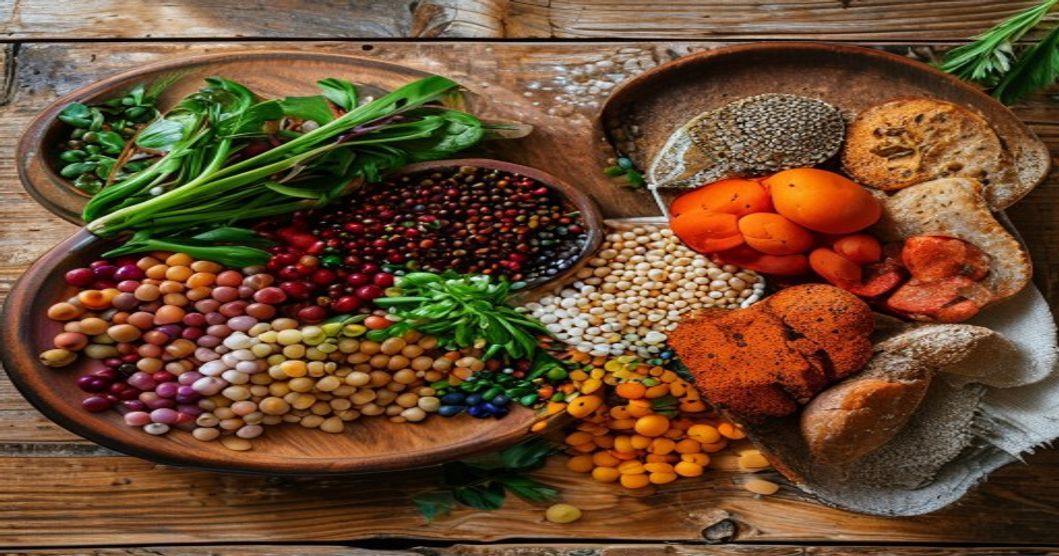
- There are excellent low GI staples available in SA: legumes (lentils, sugar beans, chickpeas), sweet potato, butternut, oats, and basmati rice.
- Rooibos tea is naturally sugar-free and a perfect companion to a low GI lifestyle.
- The approach is endorsed by the Glycemic Index Foundation South Africa (GIFSA), which certifies SA food products with a GI symbol available at major retailers.
Low GI vs High GI: Common South African Foods
| Food Category | High GI (avoid or limit) | Low GI (choose these) |
|---|---|---|
| Grains & Starches | White bread, white rice, instant porridge, pap | Whole grain bread, basmati rice, rolled oats, sorghum porridge |
| Vegetables | Baked potato, parsnips, overcooked carrots | Sweet potato, butternut, broccoli, spinach, tomatoes, cabbage |
| Legumes | -- | Sugar beans, lentils, chickpeas, kidney beans (all naturally low GI) |
| Fruit | Watermelon, pineapple, ripe banana, dates | Apple, pear, orange, berries, grapefruit, green banana |
| Drinks | Cooldrinks, fruit juice, energy drinks | Water, rooibos tea, green tea, unsweetened milk |
| Dairy | Sweetened yoghurt, condensed milk, flavoured milk | Plain yoghurt, full-cream milk, cheese |
The Benefits of a Low GI Diet
- Sustained weight loss: A 2019 meta-analysis in The BMJ found low GI diets produced greater fat loss than higher GI diets at the same calorie intake, largely by improving satiety.
- Better blood sugar control: Low GI foods reduce post-meal glucose spikes -- critical for people with type 2 diabetes or prediabetes.
- Reduced hunger: Slow-digesting carbs keep you full longer, reducing the urge to snack.
- Lower insulin levels: Less insulin means less fat-storage signalling and better access to stored body fat for energy.
- Improved cholesterol: Low GI diets can reduce LDL cholesterol and triglycerides.
- Better energy: No more 10am crashes after a high-carb breakfast -- energy stays stable all day.
Glycemic Load: The Refinement You Need to Know
Glycemic Load (GL) factors in how much carbohydrate is actually in a serving. For example, watermelon has a high GI (72) but a typical slice has very little carbohydrate -- so the glycemic load is actually low (4). Portion size matters. Focus on GI first, then apply common sense about serving sizes for medium-GI foods.
5 Tips to Lower the GI of Your Meals
- Add vinegar or lemon juice. Acidic foods slow stomach emptying, lowering the GI of the whole meal. A salad dressing with apple cider vinegar works well.
- Cook pasta al dente. Overcooked pasta has a higher GI -- firmer pasta digests more slowly.
- Cool and reheat your rice. Cooked and cooled rice forms resistant starch, significantly lowering its GI. Yesterday's rice reheated is a legitimate strategy.
- Add protein and fat to every carb meal. Eggs, chicken, cheese, avo, or olive oil slow glucose absorption from the carbs eaten alongside them.
- Choose less ripe fruit. A green banana has a GI of around 30 vs. 62 for a fully ripe banana.
Sample 7-Day Low GI Meal Plan (South Africa)
| Day | Breakfast | Lunch | Dinner |
|---|---|---|---|
| Mon | Rolled oats with cinnamon and berries | Lentil soup with whole grain bread | Grilled chicken, sweet potato, steamed broccoli |
| Tue | 2 eggs scrambled on whole grain toast, rooibos tea | Chickpea and spinach salad with olive oil dressing | Grilled fish, basmati rice, roasted butternut |
| Wed | Plain yoghurt with apple and almonds | Sugar bean curry with brown rice | Lean beef stir-fry with cabbage and peppers |
| Thu | Sorghum porridge (unsweetened) with milk | Grilled chicken wrap in whole wheat pita | Baked salmon, sweet potato mash, green beans |
| Fri | Oat pancakes (no sugar) with berries | Tuna salad with avocado and tomato on rye crackers | Braai: chicken pieces, one boerewors, large salad, no sweetened sauce |
| Sat | Veggie omelette with rye toast | Leftover braai chicken with mixed veg salad | Lamb chops, roasted sweet potato, spinach |
| Sun | Whole grain toast with avocado and eggs | Vegetable barley soup with whole grain roll | Chicken casserole with legumes, carrots and butternut |
Low GI vs Banting vs Keto
- Low GI allows all carb-containing foods -- just the slower-digesting versions. Most balanced and socially sustainable.
- Banting/Keto dramatically restricts carbohydrates (typically under 50g/day), putting the body into ketosis. More restrictive but can produce faster initial results.
- Low GI is better suited for long-term maintenance and those who want dietary variety. See also: Banting Diet Plan.
What About Pap and Braai?
Pap: Regular white maize meal porridge has a high GI (70-80). Coarse sorghum porridge is low GI (around 40-55) and makes an excellent substitute. Alternatively, eat pap in smaller amounts alongside high-protein and high-fat foods, which buffer the glucose response significantly.
Braai: Braai meat -- chicken, beef, lamb, boerewors -- is protein and fat, so it has no GI impact. The problem is what comes with it: white bread rolls, sweetened sauces, corn on the cob, and potato salad. Switch to whole grain rolls, make your own sugarless sauce, and replace potato salad with roasted butternut salad.
Common Mistakes on a Low GI Diet
- Eating too many calories from low GI foods. Low GI is not a licence to eat unlimited quantities. Portions still matter for weight loss.
- Drinking juice instead of eating fruit. Even 100% fruit juice is high GI -- the fibre that slows glucose absorption has been removed. Eat the whole fruit.
- Skipping protein and fat. Eating carbs alone -- even low GI -- raises glucose more than eating them with protein and fat. Balance your plate.
- Assuming "low GI" label means "healthy." Some certified products are still high in salt or additives. Read the full nutrition panel.
Ready to Start?
The low GI diet is one of the most practical, sustainable eating strategies for South Africans. Start with three swaps this week: white bread to whole grain, white rice to basmati, and your morning cooldrink to rooibos tea. Those three changes alone can significantly improve your blood sugar and hunger levels within days.
For personalised guidance, consult a registered dietitian -- many South African medical aids cover a limited number of dietitian visits per year.
Sources & Further Reading
- Glycemic Index Foundation South Africa (GIFSA) -- gifoundation.com
- Association for Dietetics in South Africa (ADSA) -- adsa.org.za
- Jenkins et al. (1981). Glycemic index of foods: a physiological basis for carbohydrate exchange. American Journal of Clinical Nutrition.
- Livesey G et al. (2019). Glycemic response and health. The BMJ.
- South African Medical Research Council -- National Food Consumption Survey data