Menopause Weight Loss South Africa: Why It's Harder and What Actually Works
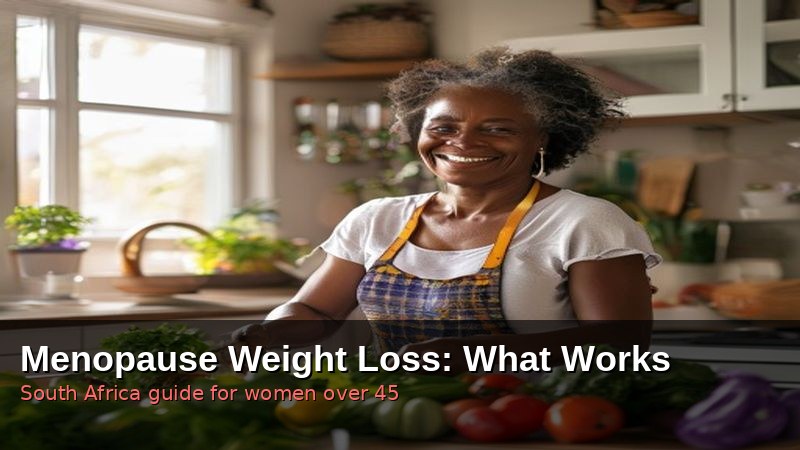
If you have reached perimenopause or menopause and noticed that your usual approach to weight management has stopped working, you are not imagining it. The hormonal changes that come with this phase of life genuinely alter how your body stores fat, burns energy, and responds to diet and exercise. The good news: weight gain during menopause is not inevitable, and the strategies that work are well-established. This guide explains the science and gives you a practical, South African-focused plan.
Understanding why menopause makes weight loss harder is the first step. Once you know what is actually happening in your body, the solution becomes much clearer.
Medical note: This article is general health information, not medical advice. Menopause affects every woman differently. Speak to your GP or gynaecologist about your specific situation, especially before considering hormone therapy or weight-loss medication.
What Changes During Menopause — and Why It Affects Your Weight
Menopause is defined as 12 consecutive months without a menstrual period, typically occurring between ages 45 and 55 in South African women. The transition phase leading up to it — perimenopause — can begin 8 to 10 years earlier, and this is often when weight changes first appear.
The primary driver is oestrogen. As ovarian function declines, circulating oestrogen levels drop significantly. This has several downstream effects on body composition:
- Fat redistribution: Fat that was previously stored on the hips and thighs (subcutaneous fat) shifts toward the abdomen (visceral fat). Visceral fat is metabolically active and more closely linked to cardiovascular risk and insulin resistance.
- Reduced muscle mass: Oestrogen plays a role in maintaining muscle tissue. Lower levels accelerate age-related muscle loss (sarcopenia), and since muscle burns more energy at rest than fat, your basal metabolic rate declines.
- Insulin resistance: Oestrogen helps maintain insulin sensitivity. As levels fall, cells become less responsive to insulin, making blood sugar harder to regulate and increasing the tendency to store energy as fat.
- Disrupted appetite hormones: Fluctuating oestrogen affects leptin (the satiety hormone) and ghrelin (the hunger hormone), which can cause increased appetite and stronger cravings, particularly for high-carbohydrate foods.
- Poor sleep: Night sweats and insomnia — extremely common during perimenopause — elevate cortisol and further drive weight gain, particularly around the abdomen.
The result is that many women find they gain 2 to 5 kilograms during the menopausal transition despite no meaningful change in diet or activity. The same calorie intake that maintained their weight at 40 now produces steady gain at 50.
The Best Diet Approach for Menopause Weight Loss
No single diet is the official menopause diet. What the research consistently supports is a pattern of eating that addresses the specific metabolic challenges above: insulin resistance, muscle preservation, and visceral fat reduction.
Prioritise protein above everything else
Protein is the most important macronutrient during menopause. It preserves lean muscle mass as oestrogen declines, has a high thermic effect (your body burns more calories digesting it), and keeps you fuller for longer. Most South African women eat far less protein than they need.
Target: 1.6 to 2.0 grams of protein per kilogram of body weight per day. For a 70kg woman, that is 112 to 140 grams of protein daily — significantly more than the typical South African diet provides.
High-protein SA foods to build meals around:
- Eggs (6g per egg — versatile and affordable)
- Biltong (approximately 55g per 100g — one of the best snack choices available)
- Chicken breast (31g per 100g, skin removed)
- Canned pilchards in tomato sauce (widely available, high protein, rich in omega-3)
- Cottage cheese (11g per 100g)
- Lentils and dried beans (great plant-based option, very affordable at Spar or Pick n Pay)
- Plain Greek yoghurt (10g per 100g — also provides calcium for bone health)
Reduce refined carbohydrates and sugar
With declining oestrogen comes reduced insulin sensitivity. Refined carbohydrates — white bread, white rice, sugary drinks, biscuits, rusks — spike blood sugar and drive fat storage more aggressively during menopause than they did in your 30s. This does not mean eliminating carbohydrates, but it does mean switching to lower-GI options.
Practical swaps for South African eating patterns:
- White pap to baby marrow or cauliflower mash (or simply smaller portions of pap with more protein and vegetables)
- White bread to 100% wholegrain seed bread or low-GI bread (Woolworths and Checkers both stock good options)
- Sugary rooibos with milk and two sugars to plain rooibos — rooibos is naturally sweet and also contains aspalathin, which may support blood sugar regulation
- Fruit juice to whole fruit (fibre slows glucose absorption significantly)
- Commercial breakfast cereals to plain oats with cinnamon and nuts
Eat plenty of fibre-rich vegetables
Non-starchy vegetables should fill at least half your plate at every meal. They are low in calories, high in fibre (which feeds beneficial gut bacteria and improves insulin sensitivity), and packed with micronutrients essential for hormonal health. Aim for 7 to 9 portions daily — most South Africans eat 3 to 4.
Good choices: spinach, broccoli, cabbage, butternut, courgettes, tomatoes, onions, peppers, carrots, and leafy greens. These are all affordable and widely available across SA supermarkets and fresh produce markets.
Do not eliminate healthy fats
Oestrogen is a fat-soluble hormone synthesised from cholesterol. Dietary fat is not the enemy during menopause. What matters is fat quality. Prioritise:
- Avocados (excellent source of monounsaturated fat, widely grown in SA)
- Olive oil for cooking and dressings
- Nuts and seeds — almonds, walnuts, pumpkin seeds, flaxseed
- Fatty fish: sardines, pilchards, salmon — all rich in omega-3 which reduces inflammation linked to menopausal symptoms
Minimise seed oils high in omega-6 (sunflower, canola) and avoid trans fats found in commercial baked goods and fried fast food.
Watch alcohol carefully
Alcohol is one of the most overlooked contributors to menopause weight gain. It is high in empty calories, disrupts sleep, worsens hot flushes, and impairs the liver's ability to metabolise oestrogen. Many South African women find that cutting back on wine — even from two glasses to one — produces a noticeable change in weight and sleep quality within a month.
Exercise: What Works (and What Doesn't) After Menopause
Cardio alone is insufficient for menopausal weight management. Many women increase their walking and gym time only to see little change on the scale. The reason is that cardio primarily burns calories in the moment but does not address the underlying issue: declining muscle mass and falling metabolic rate.
Strength training is non-negotiable
Resistance training — lifting weights, using resistance bands, bodyweight exercises — is the single most important type of exercise for women in menopause. It builds and preserves muscle mass, which raises your basal metabolic rate, improves insulin sensitivity, reduces visceral fat, and protects bone density (critical for reducing osteoporosis risk post-menopause).
You do not need a gym. Start with:
- 2 to 3 sessions per week, 30 to 45 minutes each
- Compound movements: squats, deadlifts, push-ups, rows
- Progressive overload — gradually increase weight or reps over time
- Rest at least one day between sessions to allow muscle repair
Keep your cardio — but make it varied
Steady-state cardio (long, moderate-intensity walks or jogs) is good for cardiovascular health and stress management, but it is not your primary weight-loss tool. Add high-intensity interval training (HIIT) one to two times per week — short bursts of intense effort followed by recovery. HIIT has been shown to reduce visceral fat more effectively than steady-state cardio in postmenopausal women.
A simple HIIT session: 20 seconds of effort (fast walking uphill, cycling hard, jumping jacks) followed by 40 seconds of rest, repeated 8 to 10 times. Total time: under 15 minutes.
Daily movement matters
Beyond structured exercise, simply moving more throughout the day has a measurable effect. South African research and global data agree: women who sit for fewer hours daily — regardless of formal exercise — have significantly lower levels of visceral fat. Aim for 8,000 to 10,000 steps per day. A 30-minute walk around the neighbourhood in the morning or evening counts.
Sleep, Stress, and Hormonal Weight Gain
No diet will produce consistent results if sleep and stress are ignored. Both cortisol (the stress hormone) and poor sleep independently drive fat storage, particularly abdominal fat.
- Sleep: Aim for 7 to 8 hours. Keep the bedroom cool (critical for managing hot flushes), avoid screens after 9 pm, and consider a rooibos tea or magnesium supplement before bed — both are well-tolerated and widely available in SA health shops.
- Stress management: Chronic stress is particularly damaging post-menopause because the adrenal glands take over some oestrogen production — but only when they are not already maxed out on cortisol. Reduce stressors where possible. Daily walks, journalling, and consistent social connection all have measurable hormonal effects.
Should You Consider HRT or Weight-Loss Medication?
This is a conversation to have with your doctor, not a self-prescribing decision. That said, it is worth understanding the options.
Hormone Replacement Therapy (HRT)
HRT replaces declining oestrogen (and in some cases progesterone) and can significantly reduce menopausal symptoms including hot flushes, sleep disruption, and mood changes. There is evidence that HRT reduces the tendency toward visceral fat accumulation during menopause. Modern HRT formulations are considered safe for most healthy women under 60. The benefit-risk profile is individual — discuss with your GP or a gynaecologist.
In South Africa, HRT is available on prescription from most GPs. Cost ranges from approximately R300 to R800 per month depending on the formulation.
GLP-1 receptor agonists (Ozempic, Wegovy, Mounjaro)
Semaglutide (Ozempic, Wegovy) and tirzepatide (Mounjaro) are increasingly used for weight management in South Africa. They work by suppressing appetite and improving insulin sensitivity — both of which are directly relevant to menopause-related weight gain. These medications require a prescription and are expensive (Ozempic runs approximately R1,800 to R2,500 per month for weight-loss doses). See our full guide to Ozempic costs in South Africa for detail.
They are not a first-line option for everyone, but for women who have struggled with significant menopausal weight gain despite lifestyle changes, they can be a useful tool when used under medical supervision. For a detailed look at how semaglutide interacts with menopausal hormones, HRT compatibility, bone density concerns, and SA-specific costs, see our Ozempic and menopause guide.
A Simple Week of Eating for Menopause Weight Loss
This is not a strict meal plan — it is an illustration of how to apply the principles above using common South African foods.
- Breakfast: 2 scrambled eggs with spinach and half an avocado. Plain rooibos tea (no sugar).
- Mid-morning: 30g biltong or a small handful of almonds.
- Lunch: Large salad with tinned pilchards or leftover chicken, olive oil and lemon dressing, cherry tomatoes, cucumber, peppers. Slice of low-GI seed bread if needed.
- Afternoon: Plain Greek yoghurt with a few berries or a tablespoon of mixed seeds.
- Dinner: Grilled chicken thigh or beef steak with roasted butternut, broccoli, and a large green salad. No bread or pap needed — the protein and vegetables are sufficient.
Total estimated protein: approximately 120 to 140g. Total estimated calories: approximately 1,400 to 1,600 kcal — appropriate for a moderate calorie deficit for most women in this age group.
Realistic Expectations
Menopause weight loss is slower than weight loss in your 30s. This is biologically normal and not a failure. Expect:
- 0.3 to 0.5kg per week on average with consistent effort — not the 0.5 to 1kg that may have been achievable earlier in life
- Initial results may be slower as your body adjusts to higher protein and lower refined carbs
- Body composition changes (less fat, more muscle) may show before the scale moves — take measurements as well as weighing yourself
- Hormonal fluctuations during perimenopause can cause scale variation of 1 to 2kg week to week — look at the 4-week trend, not individual weigh-ins
Always speak to your doctor or a registered dietitian before starting a new eating plan or exercise programme, particularly if you have existing health conditions, are on medication, or are considering HRT or weight-loss medication.
Summary
Menopause changes the rules. The same approach that worked in your 30s and early 40s will likely produce disappointing results from perimenopause onward. The solution is not less food — it is smarter food, more muscle, and better sleep. Prioritise protein, cut refined carbohydrates and alcohol, add strength training twice a week, manage stress, and be patient with the pace of change. With the right approach, meaningful weight loss during and after menopause is entirely achievable.
For more on managing weight in your 40s and beyond, see our guide to the best diet plan over 40 in South Africa, our complete guide to weight loss after 60, or read about the reverse dieting approach if you have been restricting calories for a long time.
Get a Personalised Menopause Eating Plan
Subscribe for weekly meal plans, hormone-friendly recipes, and South African food guides tailored to women over 45.
Get Free Meal Plans