16:8 Intermittent Fasting South Africa: The Complete Beginner's Guide
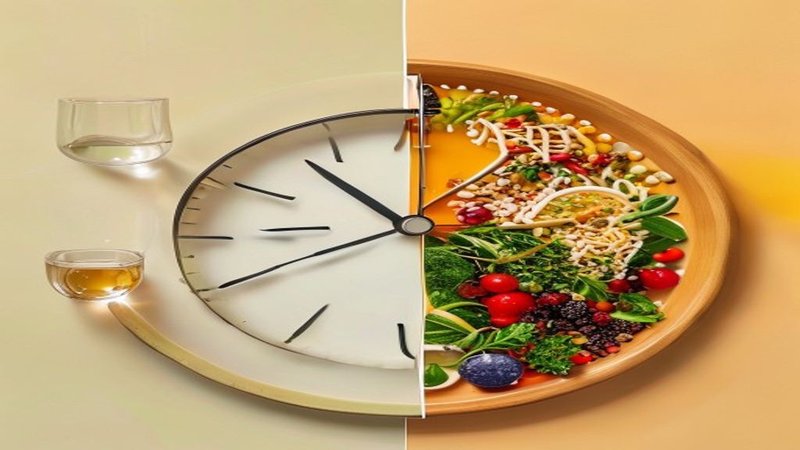
If you have been anywhere near a health conversation in South Africa over the past few years, you have almost certainly heard about 16:8 intermittent fasting. It is the most popular form of intermittent fasting worldwide -- and for good reason. It requires no special foods, no calorie counting (though that helps), and no expensive supplements. The concept is straightforward: eat during an 8-hour window each day and fast for the remaining 16 hours. This guide explains exactly how to do it, what science says about it, and how to make it work within a South African lifestyle.
Important: Intermittent fasting is not suitable for everyone. Do not attempt 16:8 if you are pregnant, breastfeeding, have a history of eating disorders, have type 1 diabetes, or take blood-sugar-lowering medications without first speaking to your doctor. When in doubt, consult a healthcare professional.
What Is 16:8 Intermittent Fasting?
16:8 refers to the ratio of fasting to eating hours: 16 hours of fasting, 8 hours of eating. Unlike traditional diets that tell you what to eat, intermittent fasting tells you when to eat. The 16:8 approach is technically called time-restricted eating (TRE) and is the most manageable form of intermittent fasting for beginners.
The logic is straightforward. When you eat, your body uses glucose from that food for energy and stores the excess as glycogen in the liver and fat in adipose tissue. When you fast long enough to deplete glycogen stores (roughly 12-16 hours in), your body begins tapping into fat reserves for energy. By extending your natural overnight fast by a few hours, 16:8 pushes your body into fat-burning mode more regularly.
16:8 is one of several fasting protocols. Others include:
- 5:2 diet -- eat normally 5 days a week, severely restrict calories (around 500 kcal) on 2 non-consecutive days
- OMAD (One Meal a Day) -- a single daily meal, effectively a 23:1 fast (see our OMAD guide)
- Alternate day fasting -- alternating between normal eating days and fasting days
16:8 is the recommended starting point for most beginners because it is the least disruptive to daily life.
How to Choose Your Eating Window
The eating window should align with your schedule, social commitments, and when you feel most hungry. Common windows South Africans use:
| Window | First Meal | Last Meal | Best For |
|---|---|---|---|
| 10am - 6pm | Late breakfast / brunch | Early dinner | Early risers, office workers |
| 12pm - 8pm | Lunch | Dinner | Most popular -- skips breakfast only |
| 1pm - 9pm | Lunch / early afternoon | Evening | Social eaters, braai nights |
| 8am - 4pm | Breakfast | Mid-afternoon | Early shift workers, morning trainers |
The 12pm to 8pm window is by far the most popular because it simply means skipping breakfast -- something many busy South Africans already do without realising. You still enjoy lunch and dinner, including evening family meals or social occasions.
What Can You Have During the Fasting Window?
The fasting window is not about sitting in silence drinking nothing. The key rule is: no calories. The following are generally accepted as fasting-safe:
- Water -- plain, still or sparkling. Drink as much as you like. Add a slice of lemon or a sprig of mint for flavour without calories.
- Black coffee -- no sugar, no milk, no creamer. Black coffee may actually enhance fat burning during the fast. South Africa's excellent filter coffee culture makes this easy.
- Rooibos tea -- plain, without milk or sugar. Rooibos is naturally caffeine-free, excellent for calming hunger in the morning, and quintessentially South African. It contains beneficial antioxidants and has zero calories.
- Green tea -- plain, no sweetener. Contains catechins that support fat metabolism.
- Herbal teas -- most plain herbal teas (buchu, honeybush, chamomile) are calorie-free and fasting-compatible.
- Electrolyte water -- plain electrolyte sachets (no sugar/calories) can help with headaches or fatigue in the early weeks.
What breaks the fast: Any food. Milk, cream, or sugar in coffee. Juice. Energy drinks. Fruit. BCAAs. Most supplements with calories. Chewing gum (often contains small amounts of sugar or sugar alcohols).
What to Eat During Your 8-Hour Window
16:8 fasting does not prescribe what to eat -- but what you eat during your eating window determines how much weight you actually lose. You can technically eat anything in 8 hours and still gain weight if you overeat. For best results, focus on:
- High protein: Chicken, eggs, beef, fish (hake, snoek, pilchards are SA-affordable options), legumes. Protein keeps you full and protects muscle mass during the fasting state.
- Fibre-rich vegetables: Spinach, broccoli, butternut, gem squash, carrots, tomatoes. Fill half your plate with vegetables.
- Healthy fats: Avocado (South Africa is one of the world's top avocado producers -- they are relatively affordable here), olive oil, nuts. Fats extend satiety between meals.
- Complex carbohydrates: Sweet potato, brown rice, oats (for breakfast if your window opens at breakfast time), pearl barley. Limit refined carbs like white bread and white rice.
- Limit ultra-processed food: Fasting while eating chips, vetkoek, and sugary drinks for 8 hours will not produce results. The fasting window creates a calorie deficit opportunity -- do not squander it.
Does 16:8 Actually Work for Weight Loss?
The research is genuinely encouraging. A 2020 meta-analysis published in Obesity Reviews found that time-restricted eating (mostly 16:8 protocols) produced average weight loss of 0.8 to 1.3 kg per month without deliberate calorie restriction. When combined with mindful eating, results improve significantly.
However, more recent research (including a 2022 New England Journal of Medicine study) suggests that much of the benefit from 16:8 comes down to reduced calorie intake rather than the fasting state itself -- people simply eat less when they have fewer hours to eat in. This does not make 16:8 less effective, but it does mean the window structure is a tool, not magic.
Beyond weight loss, 16:8 may offer additional benefits:
- Improved insulin sensitivity (particularly relevant for the many South Africans at risk of type 2 diabetes)
- Reduced inflammation markers
- Better blood pressure and cholesterol in some studies
- Possible improvements in gut microbiome diversity
Practical Tips for Starting 16:8 in South Africa
Week 1: Ease in with a 14:10 window first
If you currently eat breakfast at 7am and finish eating by 9pm, you are already doing a roughly 10-hour eating window. Move your first meal to 10am for a week. The following week, push to 11am. By week 3, try 12pm. Gradual adaptation is significantly more sustainable than going cold turkey on breakfast.
Handle hunger strategically
True hunger in the fasting window peaks and then passes within 20-30 minutes if you distract yourself or drink water or rooibos. The first two weeks are the hardest. After that, most people report the hunger window disappearing entirely -- your hunger hormones (ghrelin in particular) adapt to your new eating schedule within 2-3 weeks.
Plan around the braai
South African social life revolves around food events -- braais, family lunches, work functions. A 1pm-9pm window handles most braai situations without awkwardness. If you have a Saturday family lunch starting at 12pm, simply open your window at 12pm that day. One flexible day per week will not derail your progress.
Train fasted with care
Many people in South Africa train at 5am or 6am before work. Training in a fasted state is fine for low-to-moderate intensity exercise and may enhance fat oxidation. For high-intensity training (gym sessions, competitive sport), having at least a small protein source before training is advisable. Break your fast with a protein-rich meal immediately after training.
Common Side Effects and How to Handle Them
| Side Effect | When It Happens | Fix |
|---|---|---|
| Headaches | First 1-2 weeks | Drink more water, add electrolytes, ensure adequate salt intake at meals |
| Irritability / "hangry" | First 2-3 weeks | Passes as ghrelin adapts. Keep busy during the hunger window. |
| Poor sleep | Varies | Try shifting your eating window earlier so you are not eating close to bedtime |
| Muscle loss | With aggressive restriction | Eat adequate protein (1.2-1.6 g/kg body weight), do resistance training |
| Overeating during window | Common mistake | Eat slowly, start with a large salad or protein, have a plan for both meals |
Sample 16:8 Meal Plan for South Africans (12pm - 8pm window)
Meal 1 (12:00 pm -- break fast):
Scrambled eggs (2-3 eggs) with avo and sauteed spinach. OR: Greek yoghurt with mixed berries and a handful of almonds. OR: Leftover chicken and vegetable stir-fry warmed up. Start protein-heavy to stay full.
Snack (3:00-4:00 pm if needed):
Biltong (no sugar added) and a piece of fruit. OR: Rice cakes with peanut butter. OR: A small handful of mixed nuts. Keep it small -- the goal is to reach dinner comfortably hungry, not stuffed.
Meal 2 (7:00-7:30 pm -- close eating window):
Grilled chicken breast with roasted butternut and broccoli. OR: Beef mince with brown rice and peas. OR: Baked hake with sweet potato and a mixed salad. Finish dinner before 8pm.
Fasting window (8:00 pm - 12:00 pm next day):
Water, black coffee, plain rooibos tea only. Sleep through 8 of those 16 hours.
How Long Does It Take to See Results?
Most South Africans notice:
- Week 1-2: Reduced bloating, lighter feeling in the mornings, possible 0.5-1 kg weight loss (partly water)
- Week 3-4: True fat loss begins, hunger during the fasting window becomes manageable, energy stabilises
- Month 2-3: 1-2 kg per month of steady fat loss if eating quality food in the window. Clothes fitting differently.
Results are significantly better when combined with exercise and attention to food quality. 16:8 alone without dietary change produces modest results. 16:8 plus reduced processed food plus exercise produces dramatic ones.
Starting tonight: Decide on your eating window and finish your last meal at that time. Tomorrow, don't eat until the window opens. Drink water and black rooibos through the morning. That is literally all you need to start your first 16:8 day. No prep. No special shopping. Just decide your window and stick to it.