Brown Fat Activation for Weight Loss South Africa: The Science of Cold Exposure and Thermogenic Fat
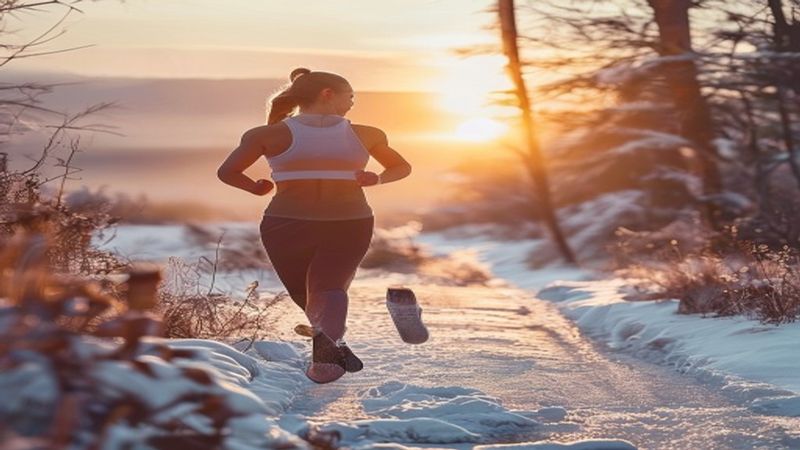
You have two types of fat in your body, and they behave very differently. White fat -- the kind most of us are trying to lose -- stores energy. Brown fat (brown adipose tissue, or BAT) does the opposite: it burns energy to generate heat. Brown fat is packed with mitochondria (which give it its brown colour) and is metabolically active in a way that white fat is not. When activated, it can burn significant amounts of glucose and fatty acids -- and increasingly, researchers are exploring how to harness this thermogenic tissue for weight management. This is the South African guide to what we know, what we do not know, and what you can practically do about it.
Note: This article is for educational purposes only. Cold water immersion, extreme cold exposure, and related practices carry health risks for people with cardiovascular disease, Raynaud's syndrome, or certain other conditions. Always consult your doctor before beginning cold exposure protocols.
What Is Brown Fat and How Does It Differ From White Fat?
All fat tissue (adipose tissue) serves biological functions, but white fat and brown fat are functionally different at the cellular level:
| White Fat (WAT) | Brown Fat (BAT) | |
|---|---|---|
| Primary function | Energy storage, insulation, hormone production | Thermogenesis (heat production), energy expenditure |
| Mitochondria | Few | Dense -- gives tissue its dark colour |
| Location in adults | Abdomen, thighs, arms, subcutaneous (under skin) | Neck, upper back, around shoulder blades, clavicle |
| Calorie effect | Stores calories | Burns calories (produces heat) |
| Activated by | Excess calorie intake | Cold exposure, sympathetic nervous system stimulation |
There is also a third type -- beige fat (also called brite fat) -- which consists of white fat cells that can be converted to a brown fat-like thermogenic state under the right conditions. This "browning of white fat" is an active research area and may be even more relevant for adults than increasing brown fat directly.
How Much Brown Fat Do Adults Have?
Infants have abundant brown fat -- it is critical for newborn thermoregulation. For years, scientists believed adults had essentially no active brown fat. Then, in 2009, multiple research groups using PET-CT scans demonstrated that significant amounts of metabolically active brown fat persist into adulthood, concentrated around the neck, shoulders, and upper spine.
Adults have roughly 20-200g of active brown fat, depending on age, sex, body weight, and environmental temperature exposure. Lean individuals and younger people tend to have more. Obese individuals and those who live in warm climates (relevant for South Africans in Limpopo and Mpumalanga) tend to have less active brown fat -- but this can be changed.
How Many Calories Does Brown Fat Actually Burn?
This is where realistic expectations become important. Studies on maximal brown fat activation suggest it can burn 50-500 kcal per day under ideal conditions (significant cold exposure). However, most real-world cold exposure protocols produce calorie burns in the range of 100-200 kcal per day -- meaningful but not dramatic.
For context: 100-200 extra calories per day burned over a year represents approximately 4-8 kg of fat loss -- if every other variable stays constant. In combination with dietary changes and exercise, this is a useful additional contribution. As a standalone weight loss strategy, it is insufficient. The most scientifically honest way to view brown fat activation is as a complement to, not a replacement for, conventional weight management strategies.
How to Activate Brown Fat: Evidence-Based Methods
1. Cold Exposure (The Most Evidence-Backed Method)
Cold is the primary activator of brown adipose tissue. The sympathetic nervous system releases noradrenaline in response to cold, which directly stimulates brown fat thermogenesis. Practical cold exposure options for South Africans, ranked from accessible to advanced:
- Cold showers (most practical): Finish your morning shower with 2-5 minutes of the coldest water your system can produce. South African municipal water in Gauteng winter (June-August) runs at approximately 12-16°C -- cold enough to trigger a noradrenaline response. Start with 30 seconds and build gradually.
- Cold water face immersion: Submerging your face in cold water for 30-60 seconds is a strong vagal nerve and sympathetic nervous system activator. Fill a basin with cold water and ice cubes.
- Cold room sleeping: Sleeping in a cooler room (16-18°C) has been shown in studies to increase brown fat activity and improve insulin sensitivity over several weeks. With load shedding, many South African homes naturally get cooler at night in winter -- this may have an inadvertent metabolic benefit.
- Cold water swimming or plunge pools: More extreme but more effective. Dam swimming, cold rivers, or commercial ice plunge facilities (increasingly available in SA cities) provide stronger brown fat stimulation. Keep initial exposure to 1-5 minutes.
- Reducing home heating: Simply being slightly cooler during the day -- wearing lighter clothing indoors in winter rather than adding layers -- increases non-shivering thermogenesis, which draws on brown fat activity.
2. Diet Strategies That Support Brown Fat Activity
Certain dietary compounds have shown evidence of supporting brown fat activity or beige fat conversion in research:
- Capsaicin: The compound that makes chillies hot. Capsaicin activates TRPV1 receptors which stimulate brown fat thermogenesis. Studies show regular consumption of chilli (or capsaicin supplements) can modestly increase energy expenditure. South Africans who eat peri-peri regularly may have a small thermogenic advantage.
- EGCG (green tea catechins): Green tea catechins, particularly EGCG, have shown modest brown fat-stimulating effects in human studies. 2-4 cups of green tea per day provides relevant doses.
- Curcumin: The active compound in turmeric. Animal studies show promising brown fat effects; human evidence is emerging. Relevant for South Africans who cook with curry regularly.
- Omega-3 fatty acids: Fish oil supplementation has been associated with increased brown fat activity in some studies. South African sardines, pilchards, and snoek are excellent omega-3 sources.
- Adequate protein: Protein has the highest thermic effect of any macronutrient (20-30% of protein calories are burned in digestion) and supports metabolic rate broadly, complementing brown fat efforts.
3. Exercise
Aerobic exercise releases a hormone called irisin from working muscle tissue. Irisin has been shown to stimulate beige fat browning -- the conversion of white fat cells to thermogenic brown-like fat. Resistance training and high-intensity interval training (HIIT) both increase irisin release. This is another reason exercise contributes to weight loss beyond the direct calories burned during the workout itself.
4. Sleep Optimisation
Sleeping in a slightly cool room (16-19°C) consistently may increase brown fat activity. A 2019 study found that men sleeping at 19°C for four weeks doubled their brown fat volume and improved insulin sensitivity compared to those sleeping at 24°C. Given that South African winters naturally cool homes, this may be worth embracing rather than fighting with heaters.
The South African Cold Exposure Context
For South Africans in tropical and subtropical areas (Limpopo, KwaZulu-Natal coast, Mpumalanga lowveld), meaningful cold exposure requires more deliberate effort -- cold showers and air-conditioned sleeping environments become more necessary. For those in the Highveld (Johannesburg, Pretoria, Free State), winter nights are cold enough that simply turning off the heater at night provides meaningful cold thermogenesis. The Berg Wind conditions in the Western Cape winter can also provide useful cold stimulus outdoors.
Safety Considerations for Cold Exposure
Cold exposure is generally safe for healthy adults but carries risks for certain people:
- Cardiovascular disease: Cold water causes rapid heart rate changes. Anyone with heart disease, arrhythmia, or uncontrolled hypertension should not begin cold exposure without medical clearance.
- Raynaud's syndrome: Cold triggers vasospasm in the extremities. Cold exposure is contraindicated.
- Pregnancy: Cold water immersion in pregnancy carries risks and should be avoided without specific medical advice.
- General rule: Start gently (cold showers) and progress gradually. Never do cold water immersion alone, especially in natural bodies of water.
Supplements Marketed as "Brown Fat Activators" -- What Does the Evidence Say?
South African health stores stock numerous products claiming to "activate brown fat" -- often containing combinations of capsaicin, green tea extract, grains of paradise (a West African spice with thermogenic properties), and other compounds. Some of these have legitimate mild thermogenic effects; none are transformative on their own.
Grains of paradise (Aframomum melegueta) has shown genuine thermogenic effects in studies -- it activates brown fat through a mechanism similar to capsaicin. The most cited study found that 40mg of grains of paradise extract increased energy expenditure by approximately 100 kcal/day in lean but not obese participants. This is real but modest.
Our assessment: these supplements are not harmful and may contribute a small thermogenic benefit, but they are not a replacement for cold exposure, diet, or exercise. Do not spend large amounts of money on expensive "brown fat activator" stacks when a cold shower costs nothing.
Building Your Full Weight Loss Strategy
Brown fat activation is a useful addition to a comprehensive weight management approach -- not a standalone solution. For the full picture, explore our guides on walking for weight loss in South Africa, understanding your calorie deficit, and gut health and weight loss.
Bottom Line
Brown fat is real, it burns calories, and it can be activated -- primarily through cold exposure, but also supported by certain dietary compounds, exercise, and sleep optimisation. The calorie-burning contribution is meaningful (potentially 100-300 kcal/day with consistent cold exposure) but not dramatic. Think of it as a 5-10% bonus on your weight loss efforts rather than a game-changing shortcut. The cold shower habit is free, accessible to almost all South Africans, and backed by increasingly solid science. In a comprehensive weight management plan, it is a useful tool worth adding.
Consult your doctor before beginning any cold exposure protocol, especially if you have a heart condition, circulatory disorder, or any chronic health condition.