The Fasting Mimicking Diet South Africa: What It Is and How to Do It Without ProLon
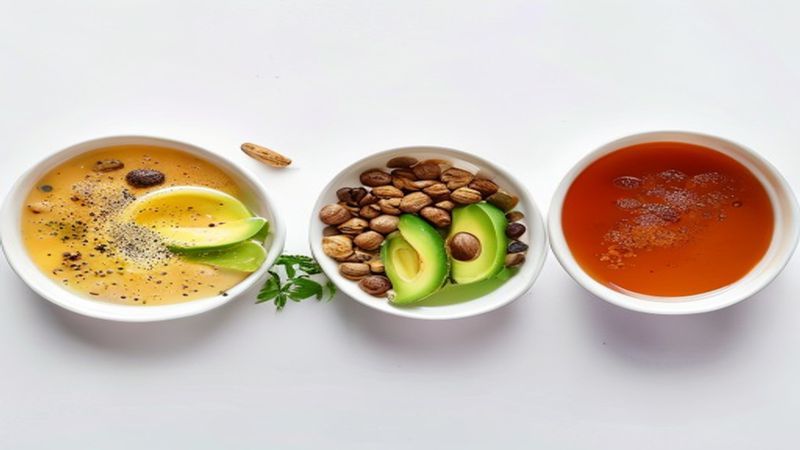
The fasting mimicking diet (FMD) is a five-day eating protocol so precisely calibrated in calories, protein, and macronutrients that your body cannot tell the difference between it and a water fast. You eat real food every day, but the food arrives in quantities and compositions that keep your metabolism in a fasting state, activating cellular repair, reducing harmful growth hormones, and burning visceral fat. It was developed not by a wellness blogger but by a molecular biologist at one of the world's leading longevity research institutions.
Note: This article is for information only and does not constitute medical advice. A fasting mimicking diet involves very low calorie intake for several days and should be done under medical supervision, particularly for people with diabetes, eating disorders, or low BMI.
Who Developed It and Why It Matters
Professor Valter Longo directs the Longevity Institute at the University of Southern California (USC). He has spent more than two decades studying how caloric restriction and fasting affect ageing at a cellular level. His central discovery was that the body's fasting response is not primarily triggered by an absence of food, but by a specific combination of low calories, very low protein, and low carbohydrates. Provide that combination and the body acts as if it is fasting, even when you are eating small amounts of vegetable soup and a handful of nuts.
Longo's landmark 2017 paper, published in Cell Metabolism, tested the FMD protocol on 100 healthy adults in a randomised controlled trial. Participants who completed three monthly cycles of the five-day FMD showed significant reductions in body weight, waist circumference, body fat percentage, blood pressure, and insulin-like growth factor 1 (IGF-1) -- a hormone strongly linked to accelerated ageing and certain cancers when chronically elevated. Importantly, lean muscle mass was largely preserved. Subsequent studies have confirmed and extended these findings, with separate research exploring the FMD's effects on immune system regeneration and metabolic disease. Some of that research is exploring potential applications in conditions including multiple sclerosis and cancer-adjacent metabolic support, though no treatment claims can be made -- this is an active area of scientific investigation, not established clinical practice.
What the Science Is Actually Doing
Three biological processes appear to drive the benefits of the FMD, and understanding them explains why the macronutrient ratios matter so much:
- Autophagy: When protein intake drops very low, cells activate a cleaning process in which they break down damaged proteins, dysfunctional organelles, and cellular debris. This is the mechanism behind much of the FMD's anti-ageing research interest. Autophagy also appears to improve insulin sensitivity.
- IGF-1 reduction: IGF-1 (insulin-like growth factor 1) promotes cell growth and division. Chronically high IGF-1 is linked to faster biological ageing and higher cancer risk. Protein restriction during the FMD causes IGF-1 to drop sharply within two to three days.
- Stem cell activation: Longo's research, particularly work conducted in mouse models and supported by preliminary human data, suggests that the stress of a multi-day fasting period followed by normal re-feeding triggers the activation of stem cells and partial immune system regeneration. The return-to-eating phase appears as important as the fasting phase itself.
FMD vs Water Fasting vs the 5:2 Diet
The FMD occupies a distinct space among fasting approaches:
Water fasting achieves the same biological state but is difficult to sustain, carries meaningful risks (electrolyte imbalance, muscle loss, blood sugar crashes), and requires medical supervision for more than 24 hours. Most people cannot maintain work, family, or social commitments during a multi-day water fast. The FMD was specifically designed to give the same biological output at far lower risk and with far better real-world compliance.
The 5:2 diet operates through a different mechanism entirely. It creates a weekly calorie deficit on two very-low-calorie days, which produces weight loss through a conventional energy deficit. It does not reliably trigger the same depth of autophagy or IGF-1 suppression because the individual fast days (500 to 600 kcal) are typically too high in protein to fully switch off growth pathways, and the fast periods are not long enough to deeply engage stem cell repair processes. The 5:2 is easier to follow indefinitely; the FMD is more intensive but done only once a month or once a quarter.
Is ProLon Available in South Africa?
ProLon is the commercially packaged FMD kit developed and sold by Longo's company, L-Nutra. It contains five days of precisely portioned soups, nut bars, olives, herbal teas, and supplements with every macro calculated to the clinical protocol. It is well-designed and removes all the guesswork.
However, ProLon is not currently distributed in South Africa through any official retail or pharmacy channel. Importing it directly from the United States or Europe means navigating courier costs, import duties, and delivery times that typically push the total cost above R5 000 to R7 000 per cycle -- per five days. For most South Africans, that makes the commercial kit completely impractical. The good news is that the underlying protocol is not proprietary. The macronutrient targets and calorie ranges are published in the peer-reviewed literature, and they can be replicated using ordinary plant foods available at any South African supermarket.
The DIY FMD Protocol: Macros and Calories
The clinical FMD targets are as follows, based on Longo's published protocol:
- Day 1: Approximately 1 100 calories (4 600 kJ). Macros: roughly 10% protein, 44% fat, 46% carbohydrate.
- Days 2 to 5: Approximately 800 calories (3 350 kJ) each day. Same macro split.
- Protein must stay very low -- around 25 to 30 g per day -- because even moderate protein intake suppresses autophagy and raises IGF-1.
- Fat should come from healthy unsaturated sources -- olive oil, nuts, avocado -- not saturated animal fat.
- Carbohydrates should be complex and from plants -- sweet potato, legumes, vegetables -- rather than refined starches or sugar.
- Avoid all animal protein (meat, fish, dairy, eggs) during the five days. They raise IGF-1 and disrupt the fasting signal.
FMD Day-by-Day Overview
| Day | Calories | Key foods | Prohibited foods |
|---|---|---|---|
| Day 1 | ~1 100 kcal | Vegetable soup, small portion sweet potato, handful of nuts, olive oil, rooibos tea, avocado (half) | Meat, fish, dairy, eggs, bread, sugar, alcohol, fruit juice |
| Day 2 | ~800 kcal | Vegetable broth, lentil soup (small), mixed nuts (30 g), herbal tea, olives, cucumber | All animal products, refined carbs, sugar, alcohol |
| Day 3 | ~800 kcal | Homemade vegetable soup, small baked sweet potato with olive oil, walnuts, rooibos, raw vegetables | All animal products, refined carbs, sugar, alcohol |
| Day 4 | ~800 kcal | Tomato and vegetable broth, chickpea soup (small), avocado (quarter), mixed seeds, herbal tea | All animal products, refined carbs, sugar, alcohol |
| Day 5 | ~800 kcal | Vegetable soup, small portion lentils, macadamia nuts, olive oil drizzle, rooibos tea, celery sticks | All animal products, refined carbs, sugar, alcohol |
DIY 5-Day Meal Plan Using South African Foods
This plan uses foods that are widely available and affordable at Pick n Pay, Checkers, Woolworths, and most independent greengroters. All portions are approximate -- weigh where you can, but reasonable estimates work fine.
Day 1 (approx. 1 100 kcal)
- Breakfast: Rooibos tea (no milk, no sugar). A small handful of mixed nuts -- almonds, walnuts, cashews (30 g, approx. 175 kcal).
- Lunch: Homemade vegetable soup -- onion, celery, carrot, butternut, tinned tomatoes, vegetable stock, no cream. Large bowl (approx. 180 kcal). Drizzle 1 tsp olive oil over the top.
- Afternoon snack: Half an avocado with lemon juice and black pepper (approx. 120 kcal). Herbal tea.
- Dinner: Small baked sweet potato (150 g, approx. 130 kcal) with 1 tbsp olive oil (120 kcal) and steamed spinach and broccoli. A second bowl of vegetable soup.
- Total: approximately 1 050 to 1 150 kcal.
Days 2 to 5 (approx. 800 kcal each)
- Morning: Rooibos tea or herbal tea. 20 to 25 g of nuts (almonds or walnuts -- about 12 to 15 almonds). Black coffee is permitted if you need it.
- Midday: Large bowl of vegetable broth or homemade lentil soup -- keep portions small on the lentils (no more than 50 g dry weight) to avoid pushing protein too high. Add a small drizzle of olive oil.
- Afternoon: Raw vegetables -- cucumber, celery, a few cherry tomatoes. Herbal tea or water with lemon.
- Evening: Another bowl of vegetable soup. On Day 4 or 5, you can add a small portion (60 g dry) of chickpeas or lentils to the soup for variety -- but keep total daily protein under 30 g across the day.
- Total each day: approximately 750 to 850 kcal.
Practical Notes for SA Conditions
- Make a large batch of vegetable soup on the day before you start -- use whatever is on special. Butternut, carrots, onion, celery, tinned tomatoes, and vegetable stock are ideal. Freeze individual portions.
- Rooibos tea is ideal during the five days -- it is naturally caffeine-free, soothing, and has zero calories. It is also far cheaper than herbal teas marketed for fasting.
- Avocado is one of the best FMD foods available in South Africa -- it is high in healthy fat, contains very little protein, and is filling. Buy a few slightly underripe at the start of the week and let them ripen as you go.
- Nuts are calorie-dense, so weigh or count them carefully. A full handful (40 to 50 g) can easily add 250 kcal -- useful on Day 1, too much on Days 2 to 5.
- Drink at least 2 litres of water per day. Headaches in the first two days are usually caused by dehydration or sodium changes, not true hunger.
Approximate Cost in South Africa: DIY vs ProLon Import
One of the biggest arguments for the DIY approach in South Africa is cost:
- DIY FMD (5 days): A week's worth of vegetables (butternut, carrots, celery, onion, spinach, broccoli, sweet potato, cucumber, cherry tomatoes) costs roughly R80 to R120. A bag of mixed nuts (200 g) is around R50 to R70. One or two avocados at R10 to R20 each. Tinned tomatoes and vegetable stock at R30 to R40. Total: approximately R200 to R280 for the five-day cycle, depending on what you already have.
- ProLon imported: The kit retails at approximately USD 250 in the US. Add international courier (R400 to R600), import duties, and potential customs delays. A realistic landed cost in South Africa is R5 000 to R7 500 per five-day cycle. This is not a practical option for most people.
The DIY protocol achieves the same macro targets as the clinical kit at approximately 2% of the imported cost. The only thing you sacrifice is the convenience of having everything pre-portioned for you.
How Often Should You Do the FMD?
Longo's published recommendations are:
- People who want to lose weight or improve metabolic markers: Once per month until goals are reached, then reassess.
- People at a healthy weight doing it for longevity purposes: Once per quarter (every three months) is the suggested maintenance frequency.
- People with a BMI below 22: Longo advises against the FMD for weight loss in this group -- the risk of losing lean mass outweighs the benefit.
The five days on, followed by returning to normal eating, is a complete cycle. You do not fast on the other days of the month. The refeeding phase -- the 25 days of normal eating -- is when much of the regenerative benefit occurs as cells rebuild after the stress of the fast. Do not compress the recovery period or attempt back-to-back cycles.
Breaking the Fast (Day 6 and Beyond)
After five days of very low calorie intake, your digestive system has been running in a reduced state. Do not immediately return to large meals, alcohol, or processed food on Day 6. Longo recommends:
- Day 6 breakfast: Something light and easily digestible -- oats with fruit, a smoothie, or soft-cooked eggs if you eat them.
- Day 6 lunch and dinner: Normal portions of balanced meals, but avoid heavy red meat or fried food for the first full day back.
- By Day 7: Fully normal eating resumes.
Who Should Not Do the FMD
The FMD involves five consecutive days at very low calorie intakes. It is not appropriate for everyone:
- People with type 1 or type 2 diabetes on insulin or blood-sugar-lowering medication -- the combination of very low calorie intake and glucose-lowering drugs can cause dangerous hypoglycaemia. Do not attempt this without direct medical supervision.
- People who are underweight -- a BMI below 18.5 means insufficient body fat reserves to sustain a five-day very-low-calorie protocol safely.
- Pregnant or breastfeeding women -- severe calorie restriction during pregnancy or lactation poses direct risk to the baby.
- People with a history of eating disorders -- structured restriction protocols can trigger or reinforce disordered eating patterns. An eating disorder specialist should be consulted before considering any fasting protocol.
- Children and teenagers under 18 -- still growing and require consistent nutritional intake.
- People who are frail or recovering from illness or surgery -- the body needs adequate nutrition for tissue repair and immune function during recovery.
What to Realistically Expect
After one five-day cycle, most people report:
- A scale loss of 1.5 to 3 kg immediately after Day 5. Some of this is water and glycogen, but imaging studies from Longo's trials confirm meaningful visceral fat reduction even after a single cycle.
- Noticeably reduced appetite and food cravings for several days after returning to normal eating -- this appears to be a genuine reset in hunger signalling.
- Improved mental clarity from Day 3 or 4 onwards, as the body shifts further into ketosis. The first two days are typically the hardest.
- After three monthly cycles, the published trial data shows average reductions of 1.5 to 3 kg body fat, a 10 to 15% reduction in IGF-1, and meaningful drops in fasting glucose and blood pressure in people who started with elevated levels.
These are population averages. Individual results depend on starting weight, diet quality on non-FMD days, activity level, and how precisely you follow the macronutrient targets. The FMD is not a substitute for a healthy everyday diet -- it works best when combined with reasonable nutrition during the other 25 days of the month.
Explore Related Fasting Approaches
The FMD is one of several evidence-based fasting protocols. See how it compares to approaches you can use every week:
- Intermittent Fasting in South Africa: The Complete Guide -- covers 16:8, 18:6, and daily time-restricted eating
- Calorie Deficit and Weight Loss in South Africa -- how to calculate your deficit and track it with local foods
Always consult a registered dietitian or healthcare provider before making significant dietary changes, especially if you are managing a chronic condition.