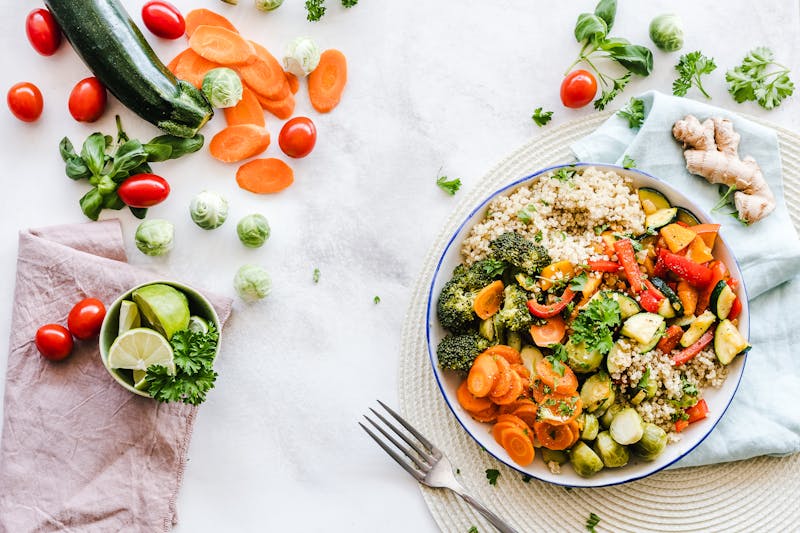
You've counted calories. You've exercised. You've tried every diet. Yet the scale refuses to budge. The reason may not be your willpower — it may be living in your gut. The 100 trillion bacteria in your digestive system (your microbiome) play a surprisingly powerful role in determining how much fat you store, how hungry you feel, and how efficiently you burn energy.
Cutting-edge research from 2024–2026 now confirms: gut health is one of the most important — and most overlooked — factors in sustainable weight loss. This guide explains what the science says and gives you a practical South African roadmap to fix your gut and accelerate fat loss.
Medical Disclaimer: This article is for informational purposes only and does not constitute medical advice. Consult your doctor or a registered dietitian before making significant dietary changes, especially if you have a diagnosed digestive condition.
What Is the Gut Microbiome?
Your gut microbiome is the vast community of bacteria, viruses, fungi, and other microorganisms living in your digestive tract — primarily in your large intestine. You have more microbial cells than human cells in your body. These organisms:
- Break down food and extract energy
- Produce vitamins (B12, K2, folate)
- Train and regulate your immune system
- Communicate directly with your brain via the gut-brain axis
- Influence hunger hormones like ghrelin and leptin
When your microbiome is healthy and diverse, these processes run smoothly. When it's disrupted (called dysbiosis), the consequences can include weight gain, bloating, sugar cravings, fatigue, and chronic inflammation.
How Gut Bacteria Directly Affect Your Weight
1. Energy Extraction from Food
Different gut bacteria extract different amounts of energy from the same food. People with an abundance of Firmicutes bacteria tend to extract more calories from food than those with more Bacteroidetes. Studies have shown that the same meal can yield significantly more or fewer calories depending on your gut composition — explaining why two people eating identically can have very different weight outcomes.
2. Hunger and Satiety Hormones
Your gut produces over 90% of the body's serotonin and significantly influences:
- Ghrelin — the "hunger hormone." Dysbiosis elevates ghrelin, making you feel hungry sooner after eating.
- Leptin — the "satiety hormone." Poor gut health can cause leptin resistance, meaning your brain doesn't receive the "I'm full" signal correctly.
- GLP-1 — yes, the same hormone targeted by Ozempic! Certain gut bacteria stimulate natural GLP-1 production, improving satiety and blood sugar regulation.
3. Inflammation and Fat Storage
A disrupted microbiome allows bacterial toxins called lipopolysaccharides (LPS) to leak through the gut wall into the bloodstream — a condition sometimes called "leaky gut." This triggers low-grade, chronic inflammation throughout the body, which:
- Drives insulin resistance (your cells stop responding to insulin properly)
- Promotes fat storage, especially around the abdomen
- Causes persistent fatigue that makes exercise feel impossible
4. Sugar and Fat Cravings
Certain gut bacteria — particularly Candida overgrowth — literally signal your brain to crave sugar. They feed on sugar and refined carbohydrates, and the more of them you have, the louder those cravings become. It's a vicious cycle: bad bacteria cause cravings → you eat sugar → bad bacteria multiply → more cravings.
Signs Your Gut Health Is Affecting Your Weight
- 🔴 Constant bloating, especially after meals
- 🔴 Strong sugar or carbohydrate cravings
- 🔴 Difficulty losing weight despite eating well and exercising
- 🔴 Frequent fatigue and brain fog
- 🔴 Irregular bowel movements (constipation or loose stools)
- 🔴 Skin issues like eczema or acne
- 🔴 Feeling full shortly after eating, then hungry again within 1–2 hours
- 🔴 A history of frequent antibiotic use
The Gut-Friendly Diet: What to Eat for Weight Loss
1. Prioritise Fibre (Prebiotic Foods)
Beneficial gut bacteria feed on prebiotic fibre — the kind found in plant foods. Without enough fibre, good bacteria starve while harmful bacteria thrive. Aim for at least 25–30g of fibre daily from:
- Vegetables: Onions, garlic, leeks, asparagus, broccoli, sweet potato (all readily available in SA)
- Legumes: Lentils, chickpeas, sugar beans, black-eyed peas (a South African staple — umngqusho!)
- Fruit: Apples, bananas (slightly underripe), berries, pears
- Whole grains: Oats, brown rice, sorghum, millet
2. Add Fermented Foods (Probiotic Foods)
Fermented foods introduce live beneficial bacteria directly into your gut. Include at least one serving daily:
- Amasi (fermented milk) — a South African superfood that is rich in Lactobacillus bacteria. Drink it daily!
- Plain yoghurt — choose full-fat, unsweetened with live cultures
- Kefir — increasingly available at Woolworths, Pick n Pay
- Sauerkraut — fermented cabbage (easy and cheap to make at home)
- Kimchi — Korean fermented cabbage, available at Asian grocery stores in SA
- Kombucha — widely available in SA health stores and some supermarkets
3. Eat Polyphenol-Rich Foods
Polyphenols are plant compounds that feed beneficial gut bacteria. They are found in:
- Dark berries (blueberries, blackberries)
- Dark chocolate (70%+ cocoa)
- Rooibos tea — South Africa's own polyphenol powerhouse
- Extra virgin olive oil
- Nuts and seeds
- Green tea
4. Avoid Gut-Disrupting Foods
- ❌ Ultra-processed foods — additives, emulsifiers, and artificial sweeteners directly damage gut lining
- ❌ Excessive sugar and refined carbs — feed harmful bacteria
- ❌ Excessive alcohol — disrupts bacterial balance and inflames the gut lining
- ❌ Artificial sweeteners (aspartame, sucralose) — shown to negatively alter microbiome composition
- ❌ Overuse of antibiotics — necessary when prescribed, but avoid unnecessary use
7-Day South African Gut-Healing Meal Plan
Day 1 (Monday)
- Breakfast: Oats with sliced banana, a tablespoon of chia seeds, and a cup of rooibos
- Lunch: Lentil soup with crusty whole-grain bread
- Snack: Apple with a small handful of almonds
- Dinner: Grilled chicken with roasted sweet potato, broccoli, and garlic
- Gut boost: 200ml amasi as an evening drink
Day 2 (Tuesday)
- Breakfast: Full-fat yoghurt with berries and a sprinkle of granola
- Lunch: Umngqusho (samp and beans) — a South African probiotic classic
- Snack: Carrot sticks with hummus
- Dinner: Baked snoek with steamed asparagus and brown rice
Day 3 (Wednesday)
- Breakfast: Rye bread with avocado and poached eggs
- Lunch: Large salad with leafy greens, cucumber, chickpeas, olive oil and lemon dressing
- Snack: Kombucha (store-bought or homemade)
- Dinner: Vegetable curry with lentils served on sorghum
Days 4–7
Continue the pattern: aim for a diverse range of vegetables (at least 5 different colours per day), one fermented food daily, plenty of legumes, and whole grains. The more variety in plant foods, the more diverse your microbiome becomes — and diversity is the hallmark of a healthy gut.
Lifestyle Factors That Support Gut Health
Sleep
Poor sleep disrupts the microbiome within days. Aim for 7–9 hours. Your gut bacteria follow a circadian rhythm just like you — irregular sleep patterns cause bacterial imbalances that drive weight gain.
Stress Management
The gut-brain axis means stress directly impacts gut health. Chronic stress:
- Reduces gut bacterial diversity
- Increases gut permeability ("leaky gut")
- Drives emotional eating
Even 10 minutes of deep breathing, a walk in nature, or mindfulness daily makes a measurable difference to gut health over weeks.
Exercise
Regular moderate exercise (30 minutes, 5x per week) significantly increases gut bacterial diversity independent of diet changes. Walking, cycling, swimming, or dancing all count.
Avoid Unnecessary Medication
Besides antibiotics, proton pump inhibitors (heartburn medication), NSAIDs (ibuprofen), and antacids can all disrupt the microbiome with prolonged use. Discuss alternatives with your doctor if you're relying on these long-term.
Should You Take Probiotic Supplements?
Probiotic supplements can help — but quality matters enormously. Look for:
- Multiple strains (not just one) — Lactobacillus acidophilus, Bifidobacterium longum, Lactobacillus rhamnosus
- At least 10 billion CFU per dose
- Refrigerated products where possible (better viability)
- Reputable brands available in SA: Solgar, Probio7, Reuteri Drops (for more targeted support)
Important: Supplements are a complement to a healthy diet, not a replacement. Food-based probiotics (amasi, yoghurt, kefir) are generally more effective because they arrive with the nutrients bacteria need to colonise.
How Long Until You See Results?
Gut microbiome changes are measurable within 3–5 days of dietary changes. However, meaningful weight loss results from improved gut health typically become noticeable after 4–8 weeks of consistent changes. Here's a general timeline:
- Week 1: Reduced bloating, improved digestion, more regular bowel movements
- Week 2–3: Reduced sugar cravings, improved energy levels
- Week 4–6: Improved satiety (feeling fuller after meals), gradual weight loss begins
- Week 8+: Sustained weight loss, improved mood, better sleep quality
Gut Health Tests Available in South Africa
If you suspect significant gut dysbiosis, consider:
- Comprehensive Stool Analysis — available from Lancet Laboratories and Ampath. Tests for bacterial balance, parasites, inflammation markers, and digestive function.
- Food Intolerance Testing — identifies foods causing chronic gut inflammation
- SIBO breath test — tests for small intestinal bacterial overgrowth (a common cause of bloating and weight resistance)
Consult a functional medicine practitioner or gastroenterologist in your area for a referral.
Key Takeaways
- ✅ Your gut microbiome directly influences how much energy you extract from food, your hunger signals, and your fat storage
- ✅ A diverse, fibre-rich diet is the single most effective way to improve gut health
- ✅ South African fermented foods — especially amasi — are excellent, affordable probiotics
- ✅ Sleep, stress management, and exercise all support a healthy microbiome
- ✅ Improvements are measurable within days, but sustained weight loss results take 4–8 weeks
- ✅ Probiotic supplements help but don't replace a diverse whole-food diet
Bottom Line: If you've been struggling to lose weight despite "doing everything right," your gut health is worth investigating. Small, consistent changes to your diet — adding amasi, eating more vegetables, reducing ultra-processed foods — can unlock weight loss that seemed impossible before.
Related articles: Intermittent Fasting Guide | High Fibre Diet | Healthy Eating Habits | All Diet Plans | Nutrition Guide