Ramadan is a month of spiritual reflection, discipline, and fasting — but it's also a time when many South Africans find themselves gaining rather than losing weight. Long hours without food lead to overeating at iftar, heavy traditional meals, and sugary treats that undo the potential benefits of the fast. But it doesn't have to be that way.
With the right approach, Ramadan can be one of the most effective times of year to lose weight. You're already fasting 14–16 hours a day — you just need to make those two eating windows count.
Medical note: Always consult your doctor before changing your diet, especially if you have diabetes, low blood pressure, or any chronic condition that may be affected by extended fasting.
Why People Gain Weight During Ramadan (And How to Avoid It)
The pattern is familiar: fast all day, break the fast with dates and a full three-course meal, snack until midnight, have a big suhoor before dawn, then sleep. Repeat for 30 days. Despite technically eating less often, many people consume more total calories during Ramadan than the rest of the year.
The main culprits:
- Overeating at iftar due to extreme hunger after a long fast
- High-sugar, high-fat traditional foods (samoosas, boeber, koeksisters, milk tart)
- Eating a second large meal late at night
- Physical inactivity — less exercise during fasting hours
- Dehydration being confused for hunger
How to Use Ramadan Fasting for Weight Loss
The key is treating your two eating windows — suhoor (pre-dawn) and iftar (sunset) — like proper meals, not opportunities to eat everything in sight.
The Golden Rule: Break Your Fast Slowly
Your stomach has been empty for 14+ hours. If you sit down to a full biryani the moment the adhan sounds, you'll overeat before your brain registers that you're full. Instead:
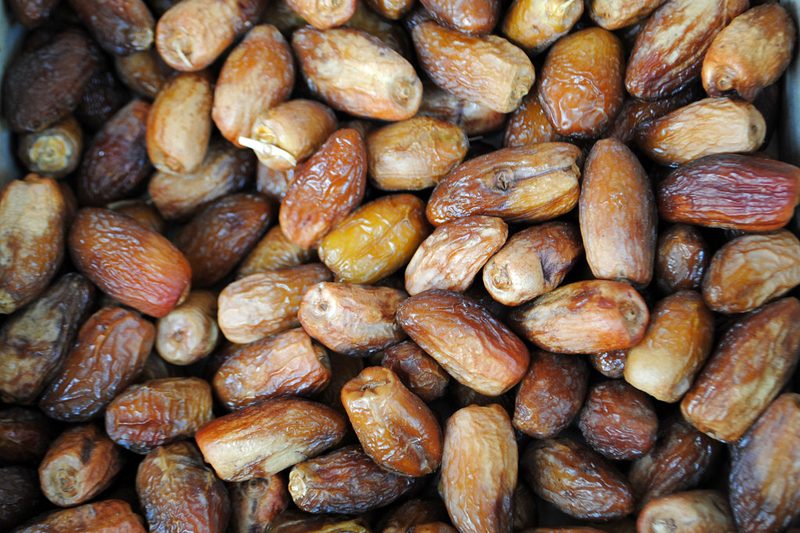
- Start with 2–3 dates and a large glass of water (traditional — and nutritionally sound)
- Perform Maghrib salaah
- Then eat your main meal — slowly, at a table, without rushing
This 15–20 minute gap between breaking your fast and eating your meal makes a massive difference in how much you eat.
What to Eat at Iftar for Weight Loss
Build Your Iftar Plate
- Protein first: Grilled or baked chicken, fish, lean lamb, lentils or eggs. Protein keeps you full and prevents muscle loss during the fast.
- Vegetables: Half your plate should be salad or cooked vegetables — cucumber, tomatoes, spinach, carrots, broccoli.
- Carbs — moderate: Small portion of brown rice, whole wheat roti, or lentil soup. Avoid white bread, fried chips, and refined carbs that spike blood sugar and lead to more hunger.
- Soup: Start with a clear vegetable or lentil soup — filling, low calorie, and rehydrating.
South African Iftar Foods — Keep or Skip?
| Food | Verdict | Why |
|---|---|---|
| Dates (2–3) | ✅ Keep | Fast-acting glucose, fibre, traditional sunnah |
| Lentil soup | ✅ Keep | High protein, filling, low calorie |
| Samoosas (baked) | ⚠️ 1–2 only | Baked is far better than fried — limit portion |
| Samoosas (fried) | ❌ Skip/limit | Deep-fried, high fat — one is 200+ calories |
| Biryani | ⚠️ Small portion | High in refined carbs — keep to 1 cup serving |
| Boeber | ❌ Skip | Very high sugar — 400+ kJ per cup |
| Grilled chicken | ✅ Eat plenty | Lean protein — ideal for weight loss |
| Fruit salad | ✅ Keep | Hydrating, vitamins, natural sweetness |
What to Eat at Suhoor for Weight Loss
Suhoor is the meal that has to sustain you for 14–16 hours. Most people eat too little (just a roti and tea) or too much (a full second dinner). Neither is ideal. You want foods that:
- Release energy slowly throughout the day
- Keep you feeling full as long as possible
- Hydrate you well before the long fast
Best Suhoor Foods
- Oats (plain, not sweetened): The best suhoor food. Slow-release carbs, high fibre, keeps hunger at bay for hours. Add banana and a handful of nuts.
- Eggs: 2–3 scrambled or boiled eggs. High protein, filling, easy to make at 4am.
- Full-fat plain yoghurt: Protein + probiotics. Have with a small drizzle of honey and some fruit.
- Whole wheat toast + peanut butter: Slow-release carbs + protein + healthy fat. Two slices will keep you going.
- Banana: Potassium for muscle function and sustained energy.
- Water — drink 2+ glasses at suhoor to stay hydrated through the day.
Avoid at Suhoor
- Salty foods (increases thirst and dehydration)
- Sugary cereals (blood sugar crashes mid-morning)
- Leftover biryani or fried foods (heavy, sluggish energy)
- Too much tea or coffee (diuretic — increases fluid loss)
Sample Ramadan Weight Loss Day
| Meal | What to Eat | Approx kJ |
|---|---|---|
| Suhoor (~4am) | 1 cup oats with banana + 2 boiled eggs + 2 glasses water | 1,400 kJ |
| Iftar break (sunset) | 2 dates + 1 glass water + lentil soup | 600 kJ |
| Iftar main (after salaah) | Grilled chicken + large salad + small brown rice | 1,600 kJ |
| Evening snack (optional) | Plain yoghurt + fruit salad | 500 kJ |
| Total | ~4,100 kJ | |
4,100 kJ is well below the average South African adult's daily requirement of 8,700 kJ — a healthy calorie deficit for steady weight loss.
Exercise During Ramadan
Light to moderate exercise is fine during Ramadan — but timing matters:
- Best time: 1–2 hours after iftar when your body has fuel
- Or: 30 minutes before suhoor (light walk or stretching)
- Avoid: Intense workouts during fasting hours — risk of dehydration and muscle loss
- Ideal activity: 30-minute brisk walk, light weights, or yoga after iftar
See our beginner home workout plan for low-intensity options that work well during Ramadan.
Hydration Is Everything
Dehydration is often misread as hunger, leading to overeating at iftar. Target 8–10 glasses of water between iftar and suhoor:
- 2 glasses when breaking fast
- 2 glasses with your main iftar meal
- 2 glasses in the evening
- 2 glasses at suhoor
Avoid sugary cold drinks, cordials and fizzy drinks — they spike blood sugar and don't hydrate you properly.
Bottom line: Ramadan fasting is a powerful weight loss tool if you use it correctly. Break your fast slowly, choose high-protein and high-fibre foods, drink plenty of water, and skip the fried treats. Many people lose 2–4kg during a well-managed Ramadan — making it one of the most effective natural fasting periods of the year.