High Protein Diet South Africa: How to Use Protein to Lose Weight
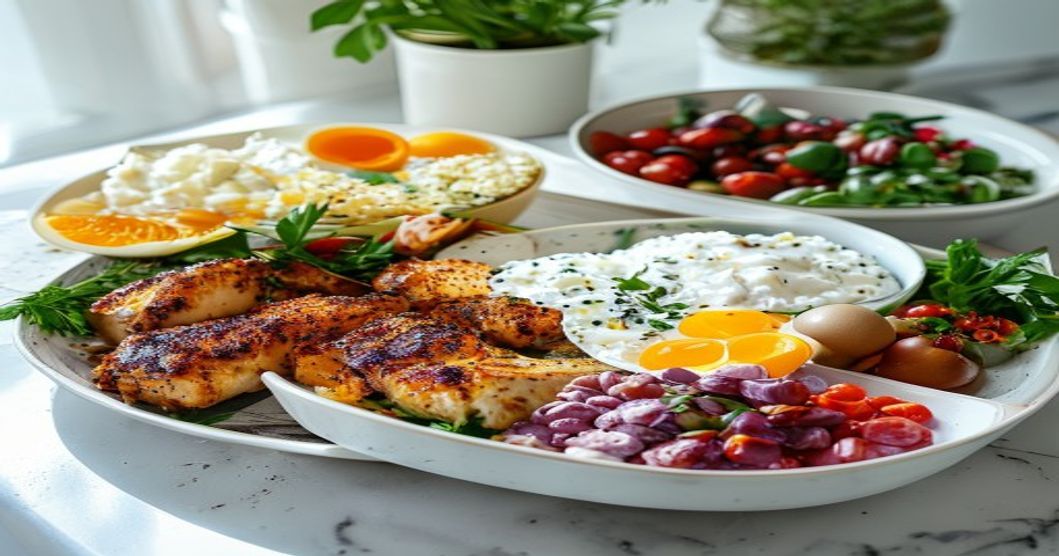
If there is one dietary change that consistently produces better weight loss results across multiple studies, it is eating more protein. Protein is the most filling macronutrient, it costs more energy to digest than carbohydrates or fat, and it protects the muscle mass you need for a healthy metabolism. For South Africans -- where braai culture, biltong, and eggs are dietary staples -- a high protein approach is also culturally practical. This guide covers exactly how much protein you need, the best local sources, and a 7-day meal plan.
Note: This article is for general information only. People with kidney disease should not increase protein intake without medical supervision. Consult a registered dietitian for personalised guidance.
Why Protein Is the Key to Weight Loss
Protein works for weight loss through four distinct mechanisms:
1. It Keeps You Fuller for Longer
Protein triggers the release of satiety hormones (GLP-1, peptide YY, cholecystokinin) more powerfully than carbohydrates or fat. In practical terms: a high-protein breakfast keeps hunger suppressed for significantly longer than a carbohydrate-heavy one. A 2005 study in the American Journal of Clinical Nutrition found that participants who increased protein from 15% to 30% of calories spontaneously ate 441 fewer kilocalories per day -- with no other dietary instruction.
2. It Has the Highest Thermic Effect
Your body burns energy to digest and process food. This is called the thermic effect of food (TEF). Protein has a TEF of 20-35% -- meaning you burn 20-35% of its calories just digesting it. Carbohydrates have a TEF of 5-10%, fat just 0-3%. By shifting your calories toward protein, you effectively raise your metabolic rate.
3. It Preserves Muscle During Weight Loss
When you cut calories, your body breaks down both fat and muscle for energy. Muscle loss is a problem because muscle drives your resting metabolism -- lose it and your metabolic rate drops, making future weight loss harder. Adequate protein (especially combined with resistance training) signals the body to preserve muscle while burning fat preferentially. This is critical for people on GLP-1 medications like Ozempic, where rapid weight loss can accelerate muscle loss.
4. It Reduces Cravings
High protein intake reduces late-night cravings and the desire for sugary or high-fat snacks. Brain scans show that a high-protein breakfast reduces the reward signal from seeing high-calorie foods -- literally making chips and chocolate less tempting.
How Much Protein Do You Need?
The standard recommendation of 0.8g per kg of body weight is the minimum to prevent deficiency -- not optimal for weight loss. For active fat loss, the evidence supports:
- For weight loss: 1.2-1.6g of protein per kg of body weight per day
- For weight loss with resistance training: 1.6-2.2g per kg per day
- On GLP-1 medications (Ozempic/Mounjaro): At least 1.5g per kg per day to protect muscle mass
Example: If you weigh 90kg and want to lose weight, aim for 108-144g of protein per day. If you exercise regularly, aim for 144-198g per day.
This sounds like a lot -- and it is, for most South Africans who average around 60-80g per day. The key is structuring each meal around a protein source rather than treating protein as a side item.
Best High Protein Foods in South Africa
| Food | Protein per 100g | Notes |
|---|---|---|
| Chicken breast (cooked) | 31g | Most affordable lean protein in SA; widely available |
| Tuna (canned in brine) | 26g | Excellent value; R15-25 per can at most retailers |
| Biltong (lean beef, plain) | 55g | SA's ideal high-protein snack; avoid sweet varieties |
| Eggs | 13g per 100g (6g per large egg) | Complete protein; very affordable in SA |
| Cottage cheese (low-fat) | 12g | Excellent bedtime protein; very affordable |
| Plain Greek yoghurt | 10g | Great breakfast base; look for "plain" not "flavoured" |
| Lentils (cooked) | 9g | Budget-friendly plant protein with fibre; very low GI |
| Salmon / yellowtail (cooked) | 25g | Excellent omega-3 source alongside protein |
| Ostrich meat (cooked) | 28g | Very lean, high protein, proudly SA; available at Woolworths |
| Chickpeas (cooked) | 9g | Versatile plant protein; great in salads and curries |
7-Day High Protein Meal Plan (South Africa)
| Day | Breakfast (~30g protein) | Lunch (~35g protein) | Dinner (~40g protein) |
|---|---|---|---|
| Mon | 3-egg omelette with spinach and feta | Tuna and chickpea salad with olive oil | 200g grilled chicken breast, sweet potato, broccoli |
| Tue | 200g Greek yoghurt with berries and almonds | Grilled chicken wrap (whole wheat pita) with salad | Pan-fried salmon fillet, basmati rice, green beans |
| Wed | 2 boiled eggs, cottage cheese on rye crackers | Lentil and vegetable soup with a boiled egg | Grilled ostrich steak, roasted butternut, salad |
| Thu | Protein smoothie: milk, banana, 2 scoops whey or plain yoghurt | Tuna melt on whole grain toast (no butter) | Braai chicken thighs, large salad, roasted veg |
| Fri | Scrambled eggs (3) on whole grain toast | Chicken Caesar salad (no croutons) | Beef stir-fry with vegetables and basmati rice |
| Sat | High-protein pancakes: oat flour, eggs, cottage cheese | Sardines on rye with avocado and tomato | Lamb chops, sweet potato, steamed spinach |
| Sun | Full cooked breakfast: eggs, chicken sausage, tomato, mushrooms | Leftover lamb with salad | Chicken and chickpea curry, cauliflower rice |
Budget High-Protein Eating in South Africa
Quality protein does not have to be expensive. The most affordable high-protein options in South Africa:
- Eggs -- roughly R25-35 per dozen; one of the best value proteins available anywhere
- Canned tuna (in brine) -- R15-25 per can; 25-26g protein per can
- Chicken thighs and drumsticks -- significantly cheaper than chicken breast, similar protein content
- Lentils and dried legumes -- R20-40 per 500g bag; plant protein with excellent fibre
- Cottage cheese -- R30-50 per tub; high protein per rand
- Pilchards in tomato sauce -- R12-18 per can; often overlooked but excellent protein and omega-3 source
Common Mistakes on a High Protein Diet
- Not distributing protein across meals. Eating 150g of protein in one sitting is far less effective than 40-50g across three meals. Muscle protein synthesis maxes out at roughly 40g per meal -- the rest is oxidised.
- Choosing processed "high protein" products. Many protein bars and shakes are loaded with sugar and additives. Real food sources are almost always better.
- Ignoring hydration. Higher protein intake increases urea production, which requires more water to excrete. Drink at least 2 litres of water daily on a high protein diet.
- Thinking protein alone will do it. Protein optimises your diet -- it doesn't replace a calorie deficit. You still need to eat slightly less than you burn to lose weight.
The Simple Starting Point
Start by adding a protein source to every meal -- eggs at breakfast, tuna at lunch, chicken or legumes at dinner. Don't change anything else yet. Most people find this single change reduces hunger, reduces snacking, and starts moving the scale within two to three weeks without any deliberate calorie restriction.
Related Articles
- Low GI Diet South Africa
- Calorie Counting vs Macros
- Semaglutide and Muscle Loss
- Body Recomposition South Africa
Sources
- Weigle DS et al. (2005). A high-protein diet induces sustained reductions in appetite. American Journal of Clinical Nutrition.
- Leidy HJ et al. (2015). The role of protein in weight loss and maintenance. American Journal of Clinical Nutrition.
- Morton RW et al. (2018). A systematic review of protein supplementation during resistance exercise. British Journal of Sports Medicine.
- Association for Dietetics in South Africa (ADSA) dietary guidelines, 2023 revision