Load-Shedding Meal Prep for Weight Loss in South Africa (2026 Guide)
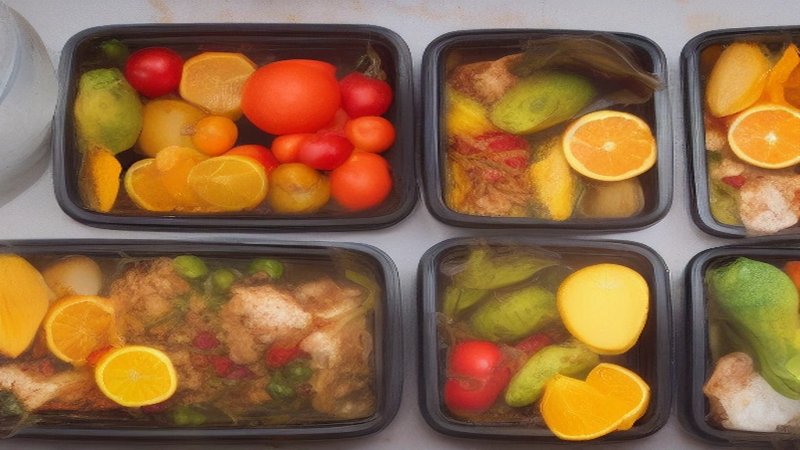
It's 6pm, the power just went off for the third time this week, and the idea of cooking by phone-torch feels like too much effort. So you order from Mr D instead. If that sounds familiar, you are not alone -- load-shedding has quietly become one of the biggest saboteurs of healthy eating for South Africans, not because anyone loses willpower, but because the infrastructure genuinely makes cooking harder. The fix is not more discipline. It is a meal prep system built around the outage schedule instead of against it.
Why Load-Shedding Wrecks Healthy Eating
It is worth naming the actual mechanisms, because understanding them makes the fixes obvious:
- Decision fatigue at the worst possible time. Load-shedding usually hits around typical cooking hours (16:00 to 20:00 in many schedules). You arrive home tired, the power is off or about to go off, and your brain reaches for the easiest option -- which is almost never the vegetables in the fridge.
- Fear of spoiled food. Repeated fridge and freezer outages make people nervous about keeping fresh produce and lean protein on hand, so they default to shelf-stable, processed options -- two-minute noodles, tinned pies, white bread -- which tend to be higher in refined carbs and sodium.
- Takeaway becomes the "safe" choice. When the stove is electric and there is no backup, a call to KFC or Steers feels like the only guaranteed hot meal. Do that three or four times a week and the kilojoules add up fast, often 2-3 times higher than a home-cooked equivalent.
- Gym and routine disruption compounds it. Traffic light outages, gyms running on generators with reduced hours, and general exhaustion from disrupted sleep all chip away at the exercise side of the equation too.
The Core Strategy: Cook Once, Eat All Week
The single most effective habit is to shift from "cook every night" to "cook two or three big batches on days when you have guaranteed power, then reheat or eat cold for the rest of the week." This is standard meal prep, but in a load-shedding context it does something extra: it removes cooking from the equation entirely on outage nights, so there is no decision to make when the lights go off.
- Check your municipality's schedule or the EskomSePush app at the start of the week and identify your two longest power windows -- usually a weekend morning or an early weekday before work.
- Use those windows to cook two or three base proteins (chicken thighs, mince, lentils) and two or three base carbs (brown rice, sweet potato, barley) in bulk.
- Portion everything into microwave-safe containers the moment it cools -- do this before you sit down, otherwise it will not happen.
- Freeze half, refrigerate the half you will eat within three days.
Keep the Freezer Doing the Cold Storage Work
A full freezer holds its temperature for roughly 48 hours during an outage; a half-empty one loses cold much faster because there is less frozen mass to buffer the temperature rise. This single fact should change how you shop and pack:
- Keep the freezer as full as possible. If it is not full of food, fill empty space with bottles of water -- they double as ice blocks during long outages and keep drinking water cold.
- Freeze meals flat in resealable bags or shallow containers. They freeze and thaw faster than deep containers, and stack more efficiently.
- Group meals by defrost priority. Keep a few "grab and reheat" portions near the top or front so you are not digging through the whole freezer with a headlamp during Stage 4.
- Invest in a cooler box and a few reusable ice bricks (from around R150 to R300 at Checkers, Makro or Game). For extended outages of 4+ hours, this protects fridge items like yoghurt, eggs, and leftovers without needing a generator.
No-Cook and Low-Cook Meals That Need Zero Power
Build a rotating list of meals you can eat straight from the fridge with no reheating at all. These become your default on outage nights:
- Overnight oats: Prepared the night before in a jar -- oats, milk or yoghurt, a spoon of peanut butter, and fruit. Ready to eat cold.
- Mason jar salads: Layer dressing at the bottom, then grains, beans, roasted vegetables, and leafy greens on top. Keeps for three to four days and needs no reheating.
- Cold protein bowls: Pre-cooked chicken breast or boiled eggs, tinned tuna or chickpeas, with a pre-made batch of coleslaw or a simple tomato-and-onion salad.
- Biltong and droëwors as a protein snack instead of a chocolate bar or chips when hunger hits during an outage -- no cooking, no refrigeration required, and genuinely high in protein per 100g.
- Rooibos iced tea: Brew a large batch when you have power, chill it, and keep it as your no-fuss, zero-kilojoule drink instead of reaching for a cooldrink when the fridge light won't turn on to check what's inside.
Backup Cooking Options Worth Having
If you can budget for it, a small amount of backup cooking capacity removes most of the pressure:
- A two-plate gas stove and cylinder (from roughly R400 to R900 for a basic set-up at Cashbuild or Builders) lets you cook a hot meal regardless of the schedule. This is the single best investment for consistent healthy eating through load-shedding.
- A small power station or inverter can run a microwave or air fryer for a short reheat cycle, even if it cannot handle a full stove. Entry-level units start around R2 500 to R4 000.
- The braai. It is already a South African staple, and it is a fully off-grid cooking method. Braaied chicken, fish, or vegetable skewers prepped over the weekend can be portioned and eaten cold or reheated over coals during the week.
- A flask. Cook a big pot of soup or stew when you have power and store some in a wide-neck flask -- it stays hot for six to eight hours, giving you a hot dinner even mid-outage.
A Sample Load-Shedding-Friendly Weekly Prep
| Prep session | What to cook | How it's used through the week |
|---|---|---|
| Sunday (2-3 hrs power) | Grilled chicken thighs, brown rice, roasted vegetables (butternut, broccoli, peppers) | Portioned into 5 containers -- 2 fridge, 3 freezer. Reheat or eat cold with a dressing. |
| Wednesday (short window) | Big pot of lentil and vegetable soup | Stored in the flask for outage nights, remainder frozen in individual portions. |
| Ongoing, no power needed | Overnight oats, mason jar salads, boiled eggs | Made in five minutes whenever there's a short window, or the night before. |
Avoiding the Takeaway Trap
Takeaways are not the enemy occasionally, but relying on them three or four nights a week during a bad load-shedding stretch is where the kilojoules and the grocery budget both take the hardest hit. A home-cooked chicken and rice meal typically costs R25 to R40 per portion when bought in bulk; the equivalent takeaway meal is usually R80 to R150 and higher in fat, sodium, and refined carbohydrate. If you do need a fallback, our guide to smarter fast food choices covers how to order better at Nando's, Steers, and KFC when you genuinely have no other option.
Quick Checklist Before the Next Outage
- Freezer stocked with at least 5 portioned, ready-to-reheat meals
- At least 2 no-cook meals prepped for the next 48 hours
- Water bottles filling any empty freezer space
- A charged power bank or headlamp near the kitchen -- fumbling in the dark is when takeaway apps get opened
- Load-shedding schedule checked via EskomSePush or your municipality's app so you know your longest cooking window
None of this requires a generator or a big budget. It requires shifting the cooking effort to the hours when you actually have power, and making sure the outage hours only ever require opening a container, not making a decision.
Keep Building Your SA Meal Prep System
Load-shedding prep works best as part of a broader, budget-friendly meal prep habit. These guides go deeper:
- South African Healthy Meal Prep -- full weekly batch-cooking system with local ingredients
- Budget Weight Loss in South Africa -- how to eat well without overspending
- Weight Loss Grocery List South Africa -- exactly what to buy each week
Always consult a registered dietitian or healthcare provider before making significant dietary changes, especially if you are managing a chronic condition.