Moringa for Weight Loss South Africa: What the Science Actually Says
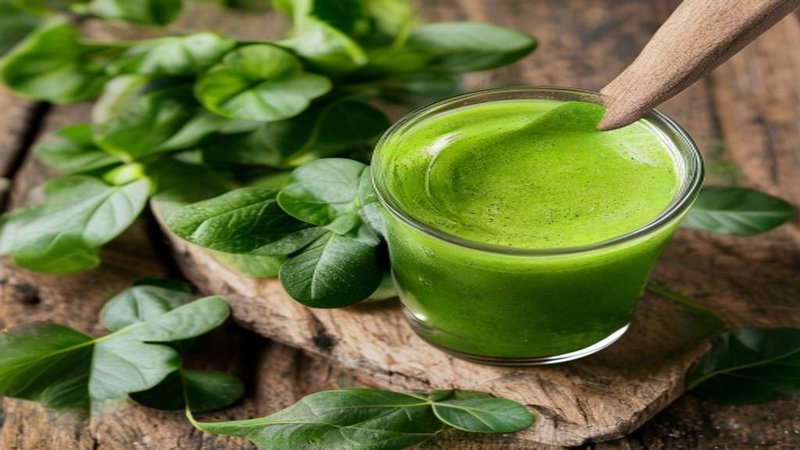
Moringa oleifera -- known variously as the drumstick tree, the horseradish tree, or simply "the miracle tree" -- has gone from traditional remedy to mainstream South African health product in remarkable time. You will find moringa powder, capsules, and teas at Dischem, Clicks, health food stores, and dozens of online SA retailers. The weight-loss claims attached to it are bold: fat burning, metabolism boosting, appetite suppression, blood sugar control. But how much of that is backed by science, and how much is clever marketing? This guide gives you an honest, evidence-based answer.
Note: This article is for information only and does not constitute medical advice. Consult your doctor before adding any supplement to your routine, especially if you are pregnant, breastfeeding, take medication for blood pressure or diabetes, or have any chronic health condition.
What Is Moringa?
Moringa oleifera is a fast-growing tree native to northern India but now cultivated across tropical and subtropical regions worldwide, including South Africa's Limpopo, Mpumalanga, KwaZulu-Natal, and North West provinces. Almost every part of the tree -- leaves, pods, seeds, flowers, roots -- has nutritional or medicinal applications in traditional medicine systems across Africa and Asia.
The leaves are the most commonly consumed part. Fresh or dried and powdered, moringa leaves are exceptionally nutrient-dense:
- Gram-for-gram, dried moringa leaves contain roughly 9 times the protein of yoghurt, 10 times the vitamin A of carrots, and 15 times the potassium of bananas (according to widely cited early analyses -- context and bioavailability matter)
- Rich in antioxidants including quercetin, chlorogenic acid, and isothiocyanates
- High in anti-inflammatory compounds
- Contains all essential amino acids (making it a rare complete plant protein)
- Good source of iron, calcium, and vitamin C
The nutritional density is genuine and impressive. The weight-loss claims are more nuanced.
The Weight Loss Claims: What Is Actually Supported by Evidence?
1. Blood Sugar Regulation
This is moringa's strongest and most consistently supported mechanism relating to weight management. Multiple animal studies and a smaller number of human trials show that moringa leaf powder can reduce fasting blood glucose levels and improve insulin sensitivity.
A 2016 study in the Journal of Food Science and Technology found that adding moringa powder to meals significantly reduced the postprandial (post-meal) blood sugar spike in type 2 diabetic participants. Better blood sugar control reduces insulin spikes, which directly supports fat metabolism and reduces fat storage signals. This is a real, physiologically plausible mechanism.
Evidence level: Moderate (promising but not yet definitive in large human trials)
2. Anti-Inflammatory Effects
Chronic low-grade inflammation is increasingly recognised as a significant driver of obesity and metabolic dysfunction. Moringa's isothiocyanates and antioxidants have demonstrated meaningful anti-inflammatory activity in laboratory and animal studies. Reducing inflammation may support healthier metabolic function over time.
Evidence level: Good in animal studies, limited in human trials
3. Appetite Suppression
Some moringa proponents claim it suppresses appetite. The evidence here is very weak. There is no convincing human data showing moringa reduces hunger meaningfully. Anecdotal reports of "feeling full" may relate to moringa's high fibre content (when taking significant amounts of leaf powder) rather than any specific appetite-suppressing compound.
Evidence level: Weak
4. Direct Fat Burning
Claims that moringa "burns fat" or boosts metabolism in humans are not supported by any robust evidence. Some animal studies show reduced fat accumulation, but these have not translated into reliable human weight loss data. If moringa had a meaningful thermogenic or fat-burning effect, there would be clinical trials showing it by now. There are not.
Evidence level: Not supported in humans
What Moringa IS Good For
While moringa is not the fat-burner it is marketed as, it has genuine, evidence-backed benefits that can support overall health and indirectly support weight management:
- Nutritional supplement for deficiencies: Many South Africans are iron, vitamin A, or calcium deficient. Moringa provides bioavailable forms of these nutrients at a relatively low cost. Correcting deficiencies improves energy levels and exercise capacity.
- Blood sugar management: For pre-diabetic or insulin-resistant South Africans, moringa's demonstrated effect on postprandial glucose is meaningful and worth pursuing under medical supervision.
- Antioxidant support: Genuine antioxidant activity that reduces oxidative stress -- beneficial for overall metabolic health.
- Anti-inflammatory support: Useful as part of a broader anti-inflammatory diet strategy, especially for those with conditions where inflammation drives metabolic dysfunction.
- Digestive fibre: The plant fibre in moringa powder supports gut health and regularity, which is associated with healthier weight management.
Moringa Products Available in South Africa
South Africa has a well-developed moringa market with both locally grown and imported products. What you will typically find:
| Product Type | Where to Buy | Approx. Price (ZAR) |
|---|---|---|
| Moringa powder (100-200 g) | Dis-Chem, Clicks, Faithful to Nature, health food stores | R80 - R180 |
| Moringa capsules (60-90 caps) | Dis-Chem, Clicks, pharmacies | R120 - R280 |
| Moringa tea bags | Pick n Pay, Woolworths, online | R60 - R120 |
| Fresh moringa leaves (seasonal) | Farm stalls, farmers markets in warmer provinces | R30 - R80 per bunch |
| Locally grown bulk powder | Limpopo/KZN small producers, online | R150 - R350 per 500 g |
Local vs imported: South African-grown moringa is available and often fresher and more affordable than imported product. Look for producers in Limpopo and KwaZulu-Natal. Buying locally also supports South African small farmers. Check for certified organic products if that is important to you.
How to Use Moringa: Dosage and Practical Tips
There is no officially established therapeutic dose for moringa. Most research and traditional use suggests:
- Powder: 1-2 teaspoons (roughly 3-7 g) per day. Add to smoothies, stir into plain yoghurt, blend into soups, or mix into water. The taste is earthy, grassy, and slightly bitter -- an acquired taste for many South Africans.
- Capsules: Follow the manufacturer's dosage (typically 500 mg - 1 g capsules, 1-3 per day with meals).
- Tea: 1-2 cups per day of brewed moringa tea. Combine with rooibos or ginger to improve the flavour.
Start with a lower dose and increase gradually to assess tolerance. Taking moringa on an empty stomach can cause nausea in some people -- take it with food.
Side Effects and Cautions
Moringa is generally well-tolerated at food-level doses, but there are important cautions:
- Pregnancy: Moringa root and bark extracts have historically been used to stimulate uterine contractions and are considered unsafe during pregnancy. Leaf powder at low doses may be safer but should be discussed with a doctor first.
- Diabetes medication interaction: Moringa's blood-sugar-lowering effect can interact with metformin and other diabetic medications, potentially causing hypoglycaemia (low blood sugar). Monitor blood glucose carefully and inform your doctor.
- Blood pressure medication: Potential additive effect with antihypertensive drugs. Discuss with your doctor.
- Digestive upset: At higher doses, moringa can cause diarrhoea, nausea, or cramping. Start low and increase slowly.
- Thyroid medication: Moringa contains compounds that may affect thyroid function at high doses. Those on levothyroxine should consult their doctor.
The Honest Verdict: Will Moringa Help You Lose Weight?
Moringa will not make you lose weight on its own. If you add a teaspoon of moringa to your smoothie every morning while otherwise eating the same unhealthy diet and doing no exercise, you will not lose weight. The marketing around moringa as a "fat burner" is overstated.
However, moringa can be a useful supporting tool in a well-constructed weight-loss strategy:
- Its blood sugar-moderating effects can reduce post-meal insulin spikes, supporting fat metabolism
- Its dense micronutrient profile fills nutritional gaps that often contribute to fatigue and reduced exercise capacity
- Its anti-inflammatory compounds may improve metabolic health over time
- As a whole-food plant supplement, it is significantly preferable to synthetic weight-loss pills
Think of moringa as a nutritional insurance policy -- valuable, genuinely healthy, worth including -- but not a shortcut. It works in concert with better eating, regular movement, adequate sleep, and stress management. On its own, it is not going to move the needle on your weight.
Best practical use: Add 1 teaspoon of quality moringa powder to your morning smoothie alongside spinach, banana, and protein powder. The benefits compound over weeks and months. If you have pre-diabetes or high blood sugar, discuss moringa supplementation with your doctor as an adjunct to dietary management -- this is where moringa's evidence is strongest.