Resistant Starch for Weight Loss South Africa: The Cooling Trick That Changes How Carbs Behave
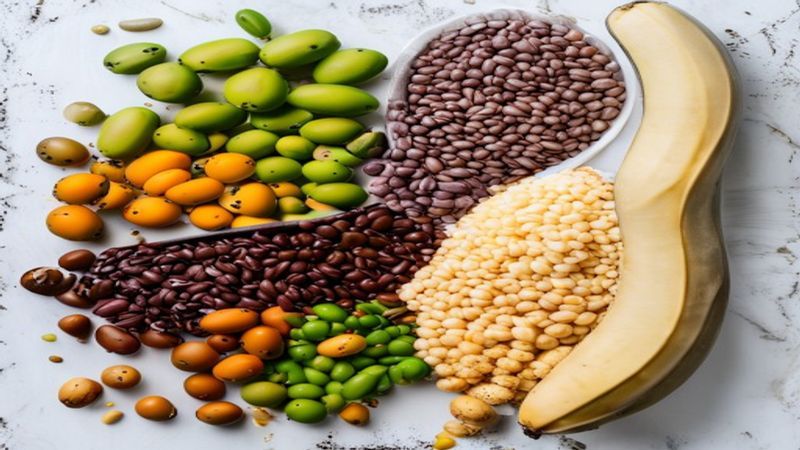
Here is a dietary concept that sounds too simple to be real: cooking your rice, potatoes, or pasta and then refrigerating them overnight before eating them changes their molecular structure in a way that reduces the calories your body absorbs and feeds the beneficial bacteria in your gut. This is not a fad -- it is the science of resistant starch, and it is one of the most practical and affordable tools available to South African dieters who do not want to give up carbohydrates entirely.
Note: This article is for educational purposes only. Speak to your doctor or a registered dietitian before making significant changes to your diet, particularly if you have type 2 diabetes, irritable bowel syndrome, or any digestive condition.
What Is Resistant Starch?
Starch is the primary carbohydrate in foods like rice, maize, potatoes, and bread. Most starch is digested quickly in the small intestine -- broken down into glucose, which enters the bloodstream and provides energy (or gets stored as fat if you have consumed more than you need). Resistant starch is a type of starch that resists this digestion. Instead of being broken down in the small intestine, it passes through largely intact and reaches the large intestine (colon), where it acts as a prebiotic -- food for your gut bacteria.
There are four types of resistant starch:
- Type 1: Physically inaccessible starch locked inside intact cell walls. Found in whole grains, seeds, and legumes.
- Type 2: Raw starch granules in an ungelatinised form. Found in raw potatoes, unripe (green) bananas, and high-amylose maize.
- Type 3 (Retrograded starch): Formed when cooked starch is cooled. This is the most practical type for everyday use -- the "cook and cool" method.
- Type 4: Chemically modified starch used in commercial food manufacturing. Not relevant for home cooking.
The Cook-and-Cool Method: The Science Behind It
When you cook starchy food, the starch granules absorb water and swell in a process called gelatinisation. In this hot, gelatinised state, digestive enzymes easily break the starch down into glucose. But when you cool cooked starch (in the fridge for several hours, or overnight), the starch molecules reorganise into a more crystalline structure through a process called retrogradation. This retrograded starch is significantly more resistant to digestive enzymes.
A 2015 study published in the journal Asia Pacific Journal of Clinical Nutrition found that refrigerating cooked rice for 24 hours before consumption increased its resistant starch content by approximately 2.5 times and reduced the calories available to the body by roughly 10-15%.
Importantly, you can reheat cooled starch and it retains much of its resistant starch content. So eating yesterday's leftover rice (reheated) is genuinely better for blood sugar and weight than eating freshly cooked rice. This is convenient news for South African households where leftover pap, rice, or potatoes are common.
How Resistant Starch Supports Weight Loss
Resistant starch does not work by magic -- it has several well-documented mechanisms that contribute to weight management:
- Lower caloric availability: Resistant starch provides approximately 2 kcal per gram vs. the 4 kcal per gram of regular starch -- cutting the caloric impact of the meal without reducing portion size.
- Improved blood sugar control: By slowing glucose absorption, resistant starch reduces post-meal blood sugar spikes and the subsequent insulin surge. Lower insulin = less fat storage signalling. This is particularly valuable for people with insulin resistance or pre-diabetes.
- Increased satiety: Resistant starch fermentation in the colon produces short-chain fatty acids (SCFAs) -- particularly butyrate, propionate, and acetate. These compounds trigger satiety hormones (GLP-1 and PYY), making you feel fuller for longer.
- Gut microbiome support: SCFAs from resistant starch fermentation feed beneficial bacteria such as Bifidobacterium and Lactobacillus. A healthier gut microbiome is associated with better weight regulation, lower inflammation, and improved metabolic health.
- Reduced fat storage after meals: Propionate, one of the SCFAs produced during resistant starch fermentation, has been shown to reduce fat synthesis in the liver.
Best Resistant Starch Foods in South Africa
You do not need to buy any special products. Resistant starch is abundant in everyday South African foods:
| Food | Resistant Starch Content | Notes |
|---|---|---|
| Green (unripe) bananas | ~15-20g per 100g | Highest natural source; resistant starch drops as banana ripens |
| Cooked and cooled white rice | ~3.5-5g per 100g (after cooling) | Use leftovers from the previous day; reheating is fine |
| Cooked and cooled pap (maize porridge) | ~3-4g per 100g (after cooling) | A staple South African food -- cold pap has better RS than hot |
| Cooked and cooled potatoes / sweet potatoes | ~3-4g per 100g (after cooling) | Boiled and cooled is best; fried potatoes lose this benefit |
| Lentils and dried beans | ~3-7g per 100g (cooked) | Both warm and cold; beans and lentils are naturally high in RS |
| Samp (dried maize kernels) | ~5g per 100g (cooked) | Traditional SA food; even better when cooled after cooking |
| Oats (raw or lightly cooked) | ~3-4g per 100g | Overnight oats (soaked uncooked in fridge) maximise RS content |
| Cooked and cooled pasta | ~2-4g per 100g (after cooling) | Cold pasta salad is not just convenient -- it is better for blood sugar |
Practical Ways to Add Resistant Starch to Your SA Diet
The Leftover Method
The simplest approach: cook slightly more rice, pap, or potatoes than you need and refrigerate the leftovers. Eat them the next day -- reheated or cold. This requires zero extra effort or expense and transforms a standard staple into a gut-friendly, lower-glycaemic food.
Green Banana Smoothie
Blend one small green (slightly unripe) banana into a smoothie with plain yoghurt, rooibos tea, and a handful of spinach. The green banana provides a very high dose of resistant starch. Note: it tastes starchier than ripe banana -- the flavour is milder, not sweet. Add cinnamon if needed.
Overnight Oats
Mix oats with milk or water and refrigerate overnight instead of cooking. The soaked, uncooked oats retain far more resistant starch than hot porridge. Add chia seeds, fruit, and plain yoghurt in the morning. This is a high-fibre, high-RS breakfast that keeps you full well into the afternoon.
Cold Bean Salads
Canned or home-cooked beans (kidney beans, chickpeas, black beans) are excellent RS sources. Make a simple bean salad with chopped onion, tomato, olive oil, and lemon juice -- a cheap, filling, high-fibre lunch with strong gut microbiome benefits.
Will Resistant Starch Cause Digestive Discomfort?
For many people, especially those who are not accustomed to high-fibre diets, increasing resistant starch intake too quickly can cause bloating, gas, and loose stools. This is because the gut bacteria fermenting the RS produce gas as a byproduct. The solution is to increase RS intake gradually over 2-3 weeks, giving your microbiome time to adapt. Start with one RS-rich food per day and add more from there.
People with irritable bowel syndrome (IBS) or small intestinal bacterial overgrowth (SIBO) should be particularly cautious and consult a dietitian before significantly increasing resistant starch intake, as fermentable carbohydrates can trigger symptoms in these conditions.
How Much Resistant Starch Should You Eat?
Research studies have used doses of 15-30g of resistant starch per day to observe metabolic benefits. Most South Africans eating a typical diet consume only 3-5g per day. You do not need to obsessively track this -- focus on incorporating 2-3 RS-rich foods into your daily meals using the methods above, and you will naturally land in a beneficial range.
Make Your Carbs Work Harder
Resistant starch is one of the most practical, affordable dietary tools available -- especially for South Africans who rely on rice, pap, beans, and potatoes as staples. Combine it with a solid overall eating strategy: explore our low-calorie SA meal plan or learn about gut health and weight loss for a bigger picture view.
Bottom Line
Resistant starch is not a magic bullet, but it is a genuinely useful tool for weight management -- and it costs nothing extra. By cooling your cooked rice, pap, and potatoes before eating them, eating green bananas, and building legumes and oats into your routine, you reduce the caloric impact of these foods, improve blood sugar control, and feed the gut bacteria that regulate appetite and metabolism. For a South African diet already built around these staple foods, this is one of the easiest evidence-based upgrades you can make.
Always consult your doctor or a registered dietitian before making significant dietary changes, particularly if you manage a chronic health condition.