Ultra-Processed Food and Weight Gain South Africa: The Hidden Danger in Your Trolley
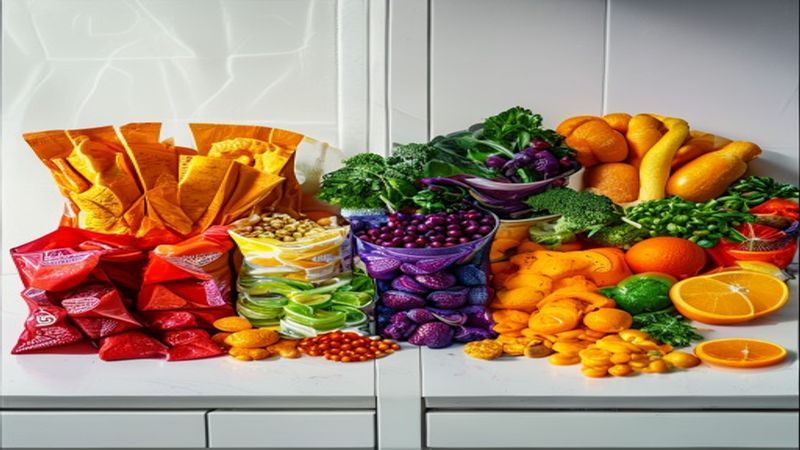
You eat a packet of Simba chips and somehow finish the whole thing without meaning to. You crack open a two-litre of Coke intending to have one glass and pour a second before you have realised it. That is not a lack of willpower. That is food engineering. Ultra-processed foods -- the fastest-growing category in the South African market -- are deliberately formulated to override the brain signals that tell you to stop eating. Understanding what they are, why they work, and how to reduce them is one of the most powerful steps you can take for long-term weight management.
Note: This article is for information only and does not constitute medical advice. If you have concerns about your diet or weight, consult a registered dietitian or your GP.
What Exactly Is an Ultra-Processed Food?
The clearest framework comes from Brazilian nutrition researcher Carlos Monteiro and his team, who developed the NOVA classification system. NOVA divides all foods into four groups based on the degree of processing:
| NOVA Group | Description | SA Examples |
|---|---|---|
| Group 1 — Unprocessed / Minimally processed | Foods in natural or near-natural state | Fresh meat, eggs, vegetables, fruit, legumes, maize meal, rooibos |
| Group 2 — Processed culinary ingredients | Substances extracted from foods for home cooking | Cooking oil, butter, salt, sugar, flour |
| Group 3 — Processed foods | Simple preservation of Group 1 foods | Canned pilchards, biltong, artisanal cheese, tinned tomatoes, smoked fish |
| Group 4 — Ultra-processed | Industrial formulations with 5+ ingredients, including additives not found in home kitchens | Flavoured chips, instant noodles, fizzy drinks, commercial white bread, flavoured yoghurt, chicken nuggets, breakfast cereals |
The tell-tale sign of an ultra-processed food is an ingredient list containing substances such as modified starch, maltodextrin, high-fructose corn syrup, sodium benzoate, carrageenan, artificial flavours, colour additives, or anything that reads like a chemistry textbook. These are not ingredients you would find in your kitchen cupboard -- they exist to extend shelf life, enhance palatability, and drive repeat consumption.
How Ultra-Processed Foods Cause Weight Gain
A landmark 2019 randomised controlled trial by Kevin Hall and colleagues at the US National Institutes of Health put participants on either an ultra-processed or unprocessed diet (matched for calories, sugar, fat, and fibre) and let them eat as much as they wanted. The ultra-processed group consumed an average of 508 extra kilocalories per day and gained weight; the unprocessed group lost weight. Several mechanisms explain this:
- Hyper-palatability: The precise combination of fat, salt, and sugar in processed snacks activates dopamine pathways similarly to addictive substances, making it very hard to stop at one serving.
- Disrupted satiety signals: Ultra-processed foods are digested rapidly. Blood glucose spikes and crashes, triggering hunger again within 60-90 minutes despite adequate caloric intake.
- Low satiety per calorie: They are energy-dense but not filling. A 200 ml can of Fanta delivers 88 kcal with essentially zero satiety value. The same calories from an orange provides fibre, water, and slows digestion.
- Gut microbiome disruption: Emulsifiers and artificial sweeteners alter the composition of gut bacteria linked to appetite regulation and metabolic health.
- Speed of eating: Ultra-processed foods require less chewing, so meals are eaten faster -- before the brain has received the satiety signal that takes roughly 20 minutes to register.
The South African Ultra-Processed Food Problem
South Africa sits in a difficult nutritional position. On one hand, fresh produce, legumes, and traditional grain foods remain affordable and widely available. On the other hand, aggressive marketing of ultra-processed products -- especially to low-income households -- has dramatically shifted eating patterns over the past two decades.
Research from the South African Medical Research Council estimates that ultra-processed foods account for approximately 25-30% of daily energy intake in urban South African households -- a figure that rises sharply in younger age groups. Key drivers include:
- Heavy advertising of chips, fizzy drinks, and instant noodles on SABC and community radio
- Spaza shop culture -- neighbourhood stores stocked almost exclusively with ultra-processed items
- Time poverty in low-income communities driving reliance on instant foods
- Perceived affordability of processed snacks vs. fresh produce (a perception that often does not hold up at a nutritional-value-per-rand comparison)
Common South African Ultra-Processed Products to Watch
This is not an exhaustive list, but these are the products most commonly misunderstood as acceptable everyday foods:
- Flavoured chips and crisps: Simba, Lays, Doritos -- engineered to the "bliss point" of salt, fat, and artificial flavour
- Fizzy drinks: Coke, Sprite, Fanta, Energade -- sugar delivery systems with no nutritional value
- Instant noodles: Mr Noodles, Indomie -- refined starch, sodium, and flavour packet chemicals
- Commercial white bread and buns: Most supermarket loaves contain dough conditioners, emulsifiers, and preservatives
- Breakfast cereals: Frosties, Coco Pops, many "healthy-branded" granolas -- often 25-40% sugar by weight
- Flavoured yoghurts: Danone Nutriday fruit flavours, many Woolworths yoghurt pots -- loaded with added sugar and stabilisers
- Chicken nuggets and processed meat: Goldi nuggets, processed polony, Vienna sausages
- Energy drinks: Monster, Red Bull, Brutal Fruit -- sugar plus stimulants plus artificial compounds
- Flavoured milk drinks: Nesquik, McDonald's milkshakes
- "Diet" and "light" snacks: Often still ultra-processed; artificial sweeteners replace sugar but processing remains intense
Practical Swaps: Cutting Ultra-Processed Foods in a South African Kitchen
You do not need to overhaul your entire life overnight. Even reducing ultra-processed food intake by 20-30% produces measurable benefits. Here are realistic SA-friendly swaps:
| Instead of... | Try... |
|---|---|
| Simba chips | Biltong (stick to thin-cut, no added flavours) or roasted salted nuts |
| Fizzy cold drink | Sparkling water + slice of lemon, or rooibos iced tea (no added sugar) |
| Instant noodles | Cooked samp with beans (umngqusho), or rice + canned pilchards |
| Commercial white bread | Seed loaf or real sourdough (shorter, cleaner ingredient list) |
| Flavoured yoghurt | Full-fat plain yoghurt + frozen berries or sliced banana |
| Breakfast cereal | Oats (plain, not flavoured sachets) with milk and fruit |
| Energy drink | Black coffee or rooibos tea for caffeine; water for hydration |
How to Read South African Food Labels for Processing Level
NOVA classification is not printed on packaging, but these quick label-reading rules work well in SA supermarkets:
- Count the ingredients: Five or fewer is generally a good sign. Fifteen+ is a red flag.
- The kitchen test: Could you assemble this product from ingredients found in a home kitchen? If not, it is ultra-processed.
- Additive spotting: Look for numbers (E471, E452, E211) or words like "flavour enhancer," "stabiliser," "emulsifier," "preservative." One or two may be fine; a string of them signals heavy processing.
- Sugar aliases: Dextrose, maltose, fructose, glucose syrup, inverted sugar -- all are added sugars under different names.
- Serving size deception: Nutritional panels often quote per 30g on a 200g packet. Do the mental arithmetic for what you will actually consume.
The Research Verdict: Does Cutting Ultra-Processed Foods Cause Weight Loss?
The evidence is increasingly strong. A 2021 umbrella review of 43 studies published in The BMJ found that higher ultra-processed food intake was consistently associated with higher body weight, obesity risk, and metabolic disease. The Hall et al. randomised trial remains the gold standard: participants on the unprocessed diet spontaneously ate fewer calories and lost an average of 0.9 kg over two weeks without any calorie restriction instructions.
More recent 2024-2026 research adds important nuance: it is not just about total calories. The disruption of appetite hormones (ghrelin, leptin, GLP-1) by ultra-processed diets means that even when you consume the same calories, hunger regulation is compromised. This is one reason GLP-1 medications like Ozempic and Wegovy work so well for people on high-ultra-processed diets -- they artificially restore the appetite signals that processed food has suppressed.
Start Here: A 30-Day Ultra-Processed Food Reduction Plan
You do not need to go cold turkey. Research shows that gradual reduction is more sustainable:
- Week 1: Identify your three biggest ultra-processed habits. Write them down. Do not eliminate yet.
- Week 2: Replace one habit with a whole-food alternative. Keep everything else the same.
- Week 3: Replace a second habit. Notice hunger patterns -- most people find they feel fuller longer on whole foods.
- Week 4: Replace the third. Reflect on energy, sleep, and cravings. Most people report significant improvement by week four.
- Month 2+: Continue replacing one ultra-processed item at a time. No rush. The goal is a durable shift, not perfection.
Ready to Clean Up Your Diet?
Understanding ultra-processed food is the first step. Next, build a practical eating plan around South African whole foods that actually satisfy you. Explore our low-calorie SA meal plan and healthy meal prep guide for ideas that work with a local budget and lifestyle.
Bottom Line
Ultra-processed foods are not simply "junk" -- they are scientifically optimised to make you eat more than you intend. Reducing them is not about willpower; it is about changing your food environment. In South Africa, where these products are aggressively marketed and widely available, making even modest shifts toward whole, minimally processed foods can produce significant weight-loss results -- without counting a single calorie.
Always consult a registered dietitian or healthcare provider before making significant dietary changes, especially if you are managing a chronic condition.